
Karachi Port Handles UAE Transhipment Cargo
March 8, 2026
PM Shehbaz Sharif Orders Austerity Plan Amid Crisis
March 9, 2026
Introduction: When Did We Stop Having Secrets
There used to be parts of yourself that belonged only to you. Thoughts you kept private. Moments you didn’t document. Privacy wasn’t something you had to justify; it was the default state of being human.
There’s an entire generation that remembers what it felt like to be unknowable, to meet someone without already scrolling through their entire documented existence. They’re the last ones who remember that mystery wasn’t a luxury or a red flag, it was just how life worked.
Now, withholding feels suspicious. Not posting about your relationship means you’re hiding something. Keeping opinions private means that you’re inauthentic. We’ve pathologized privacy and rebranded it as secrecy, turned boundaries into character flaws. Nobody has an origin story anymore because we’ve livestreamed away the narrative arc.
Every plot point is spoiled in real-time, every backstory already posted, every hidden depth excavated and displayed before anyone even asks. We didn’t lose our secrets through surveillance or force. We surrendered them voluntarily for likes and validation, traded mystery for metrics.
Platforms trained us to believe that sharing everything is connection, that exposure equals authenticity, that stories don’t need distance or reflection, just immediate documentation. The plot twist requires withholding information. We killed that possibility. Mystery died because we couldn’t shut up long enough to let it breathe.
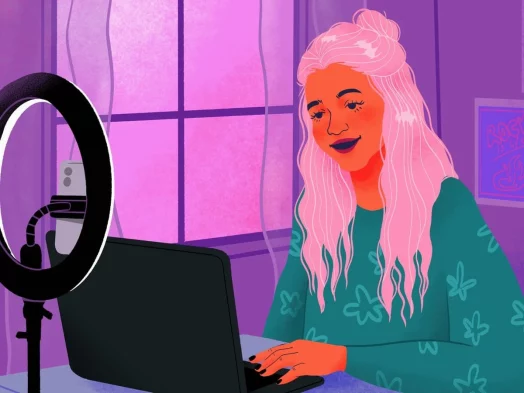
Image source: The Guardian
Every Thought Documented, Nothing Worth Remembering
When every moment is captured, nothing feels significant. Your camera roll has 47,000 photos you’ll never look at. You documented breakfast, the sunset, that funny moment, all preserved, none remembered. Memory outsourced to cloud storage. We’re so busy recording life we forgot to live it, left with thousands of images that feel like evidence of a life we weren’t actually present for.
We broadcast everything to everyone and connect with no one. Strangers know your breakfast order but not your name. We’ve confused visibility with intimacy, performance with connection. You share your deepest thoughts with thousands of followers and feel lonelier than ever because intimacy requires reciprocity and presence, neither of which exist when you’re performing for an audience.
We traded depth for reach. Concerts experienced through phone screens. Vacations optimized for content. You’re not on the beach to relax, you’re there to get the shot, to prove you were there, to feed the algorithm.
Experiences commodified before they’re lived. The private moment is extinct. Nothing’s sacred because the first instinct is to document and distribute. We killed spontaneity, murdered presence, sacrificed experience for digital performance.
Oversharing as Currency in the Attention Economy
Vulnerability has been monetized; trauma is content now whether it is your own or of someone else’s. The more you reveal, the more you earn, confessional posts get engagement, breakdowns get brand deals, pain becomes profitable.
We’ve turned our worst moments into marketable material because the algorithm rewards rawness and audiences consume suffering like entertainment. Authenticity isn’t about being real anymore; it’s about performing realness in ways that generate clicks. We’re mining our own lives for content, excavating trauma for engagement, weaponizing vulnerability for visibility.
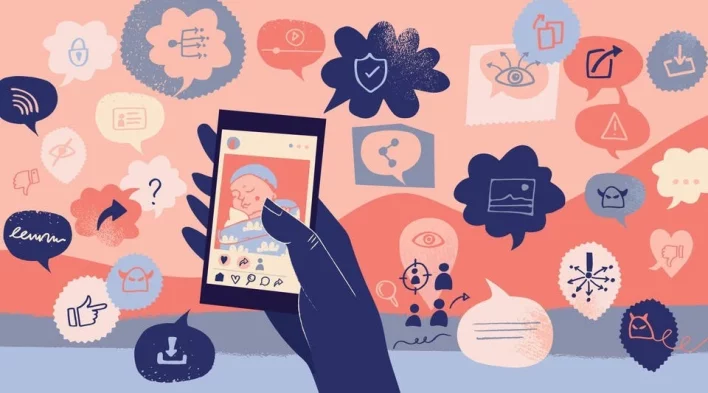
Image source: Forbes
Privacy is framed as secrecy now. Withholding is suspicious and a privilege. If you’re not sharing everything, you must be hiding something. Boundaries became “walls,” self-protection became selfishness, and not broadcasting your entire existence became a moral failing. We’re expected to be perpetually transparent, endlessly accessible, constantly performing openness.
Mystery requires boundaries, but we’ve been gaslit into believing boundaries are barriers to connection rather than requirements for it. The refusal to overshare is treated like a character flaw. Confession gets likes. Revelation gets validation. We’re not addicted to sharing, we’re addicted to the response.
The dopamine hit when someone reacts, when your vulnerability is rewarded with hearts and comments and strangers telling you you’re brave. We’ve trained ourselves to seek external validation for internal experiences, turning every emotion into an opportunity for engagement. The sharing isn’t the point anymore; the feedback loop is. We’re performing pain for applause and calling it healing.
Nobody Has an Origin Story Anymore
There’s no such thing as getting to know someone anymore. Their entire life is already indexed, searchable, publicly archived before you’ve even met them. First dates don’t have that nervous energy of discovery, you’ve already scrolled back three years through their feed, analyzed their exes, formed opinions about their personality from curated highlights.
The mystery of “who is this person?” died the moment Google became a verb and Instagram became a biography. We’ve eliminated the possibility of being surprised by someone because we’ve already consumed their entire documented existence before the first conversation even starts.
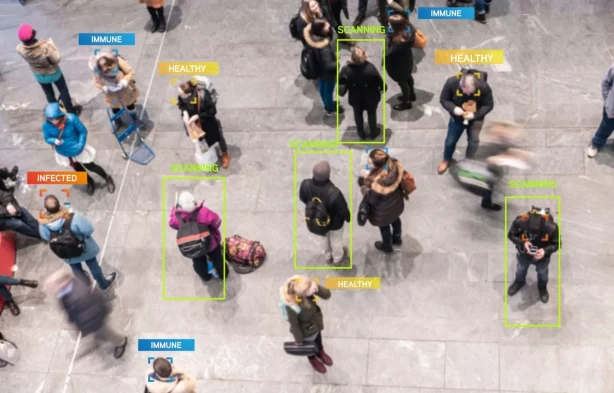
Image source: Mostly.AI
We’re living in a voluntary panopticon where everyone watches everyone and pretends it’s normal. You check their location. They check your story views. We surveil each other’s digital footprints, monitor who liked what, track who’s online when, all while broadcasting our own lives for the same scrutiny.
It’s mutual espionage disguised as socializing. Privacy wasn’t stolen by corporations or governments, we handed it over ourselves, performed our lives publicly, then got paranoid about who’s watching. We built the surveillance state ourselves, one post at a time, and called it staying connected.
Conclusion
So here we are, living in an age where nothing is private and nothing is sacred. We killed mystery with our own hands, traded intrigue for instant gratification, surrendered the unknowable for the endlessly documented. We convinced ourselves that transparency equals connection, that exposure equals honesty, that sharing everything makes us more real.
Instead, We became less interesting, less knowable, less human. Mystery didn’t die from surveillance or authoritarian control, it died because we couldn’t resist the dopamine hit of being seen, because platforms convinced us that privacy was suspicious and boundaries were barriers. We overshared ourselves into oblivion and called it progress.
The asteroid that rendered mystery extinct wasn’t technology, it was us. And now we’re left scrolling through thousands of documented moments that mean nothing, performing for audiences we’ll never meet, wondering why nothing feels significant anymore. We built the panopticon ourselves and lost the plot twist of our own lives because we couldn’t shut up long enough to let anything breathe.