

Askari Bank ACE Expand Digital Remittances
February 28, 2026
Zindigi Digitises Rawalpindi’s Saddar Bazar
March 1, 2026
Introduction
If you searched CBDC Pakistan, you are probably tired of vague promises about a “cashless future.” The real question is simple: is Pakistan actually getting a digital rupee, and will it make life easier or just more complicated?
A Central Bank Digital Currency is the rupee in digital form, would be issued by the State Bank of Pakistan. It is not crypto, not a speculative token, and not another wallet app. It is state-backed money for a country where cash still rules but digital payments are slowly creeping in. A CBDC will not fix inflation or broken systems. At best, it can improve how money moves. The real test is whether people trust it enough to use it.
Image source: ledger insights
What are CBDCs?
A CBDC is digital legal tender issued by a central bank. Cash is central bank money you can hold in your hand. Your bank balance is commercial bank money, which works because we trust the banking system. A CBDC sits closer to cash, just in electronic form, and that difference matters when people care about safety and settlement.
What are CBDCs and why they matter for Pakistan’s digital economy
Pakistan’s digital payment system is expanding, but it is fragmented. People juggle cash, bank apps, mobile wallets, and QR payments, with downtime and inconsistent experiences in the middle. A CBDC could create a more standard foundation for payments, reduce friction, and make government-to-person transfers more direct. But if it is hard to use, unreliable, or feels like a monitoring tool, adoption will stall.
Understanding CBDCs: digital rupee basics
When people say “digital rupee Pakistan,” they usually mean a retail CBDC, meant for citizens and businesses for everyday use.
How CBDCs differ from cryptocurrency and mobile wallets
Cryptocurrency is not issued by SBP and its value can swing wildly, which makes it unreliable as day-to-day money. Mobile wallets are private platforms that store and move your existing money through banking rails. A CBDC is central bank-issued currency, intended to be stable and legally recognized. A CBDC is the rupee, digitized, with rules.
Retail CBDC vs wholesale CBDC
Retail CBDC is for the public, like paying for groceries or sending money to friends. Wholesale CBDC is for banks and large institutions, mainly for settlement. Pakistan could explore both, but retail is where the public debate will get loud, because it touches privacy, access, and trust.
The technology behind digital currency (blockchain vs centralized ledger)
Not all CBDCs use blockchain. Some use distributed ledger technology, while others use centralized ledgers. Blockchain-style designs can improve auditability and resilience, but can add complexity. Centralized designs can be faster and simpler, but concentrate control and create a single high-value target. For Pakistan, the “best” technology is the one that survives real conditions: patchy internet, device limitations, and fraud attempts.
State Bank of Pakistan’s CBDC exploration
SBP has signaled interest in exploring digital currency, which typically means research, consultation, and testing. Central banks move slowly here for a reason. You do not “move fast and break things” when the thing is money.
Current status of digital rupee development
From a public standpoint, the direction is cautious exploration rather than an overnight rollout. A digital rupee needs more than code. It needs a legal basis, strong security, consumer protection, and clear responsibility when something goes wrong.
SBP’s pilot programs and testing phases (timeline and expected launch date)
Everyone asks about the SBP CBDC launch date, but timelines often shift. Most countries go step-by-step: proof-of-concept, limited pilots, broader pilots, then phased rollout. If you see a confident date online without SBP confirmation, treat it like clickbait until it is officially backed.
Benefits of CBDC for Pakistani citizens
Financial inclusion for unbanked population
A CBDC could help people without bank accounts hold and transfer digital value. But inclusion depends on details: simple onboarding, low fees, easy cash-in and cash-out, and support for people who are not tech-savvy.
Cheaper and faster remittances
Remittances are huge for Pakistan. If a State Bank digital currency system reduces friction and improves settlement speed, costs could fall. The catch is cross-border coordination. A CBDC does not automatically make remittances cheap unless partner corridors and compliance processes are designed for it.
Reduced transaction costs for businesses
Faster settlement and lower processing costs can help merchants, especially small businesses. But businesses adopt what works consistently. If the system is unreliable or disputes are messy, cash will keep winning.
Enhanced monetary policy implementation
CBDCs can improve policy transmission and reduce inefficiencies. But better visibility into transactions can trigger surveillance fears. Pakistan will need strict rules and oversight, because people do not adopt systems they believe can be misused.
Challenges and concerns of CBDCs
Privacy issues and government surveillance
A CBDC can be built with privacy protections, or it can become a tracking machine. The difference is governance. Pakistan needs clear limits on data access, retention, and lawful process. “Trust us” is not a privacy policy.
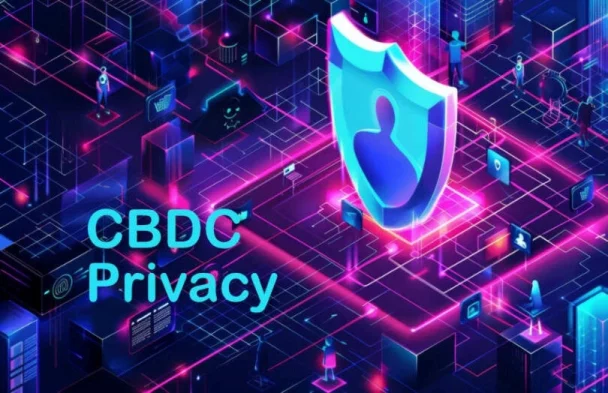
Image source: ledger insights
Cybersecurity risks and digital infrastructure requirements
A CBDC would be a top target for attackers. If it fails, it is not just an app outage. It is the money rail. Security, redundancy, and incident response planning would be non-negotiable, along with practical design for outages.
Impact on commercial banks and financial intermediaries
If people hold more value in CBDC form, banks could lose deposits, affecting lending. Many CBDC designs use intermediaries and limits to avoid destabilizing banks. Pakistan would need guardrails too.
Digital literacy and adoption barriers in rural Pakistan
Scams, SIM swaps, and social engineering are already common. Without education and consumer protection, a digital rupee could create new fraud patterns and slow adoption outside major cities.
How CBDCs could change daily transactions
Person-to-person payments without bank accounts
A retail CBDC could enable direct transfers without traditional bank accounts. But it must be simpler than the alternatives. If it feels complicated, people will default to cash, because cash just works.
Government subsidy distribution (BISP, Benazir Income Support)
CBDCs could make subsidy delivery faster and more traceable, reducing leakage. But errors must be fixable quickly, because welfare cannot wait for slow “processing.”
Cross-border trade settlement with China and Middle East
Wholesale CBDC pathways could eventually support faster trade settlement with key partners. But this depends on agreements, standards, and trust across borders, not just technology.
Global CBDC landscape and Pakistan’s position
China’s digital yuan lessons for Pakistan
China shows scale is possible and offline-capable design matters. It also shows how control can expand if safeguards are weak. Pakistan can learn from both sides.
India’s digital rupee progress
India’s phased testing shows pilots take time and adoption is not automatic. A launch is not the same as daily usage.
What Pakistan can learn from other countries
Move carefully, build the legal framework early, stress-test security, and design for real-world constraints. “Digital” is not progress if it breaks, excludes people, or scares them.
Regulatory framework and legal considerations
CBDC Pakistan cannot work without legal clarity on status as money, user rights, privacy rules, fraud liability, and oversight. Without that, a digital rupee becomes powerful but untrusted, and untrusted money does not circulate.
Conclusion
A CBDC could make payments faster, cheaper, and more inclusive in Pakistan. It could also raise privacy risks, attract cyberattacks, and disrupt banks if designed poorly. The real win is not launching a digital rupee. The win is launching one that is secure, fair, and genuinely usable for ordinary people.