

ABHI Partners With Squadio For Wage Access
June 11, 2026
Jazz Emerges as best Overall Mobile Network in PTA QoS Survey
June 11, 2026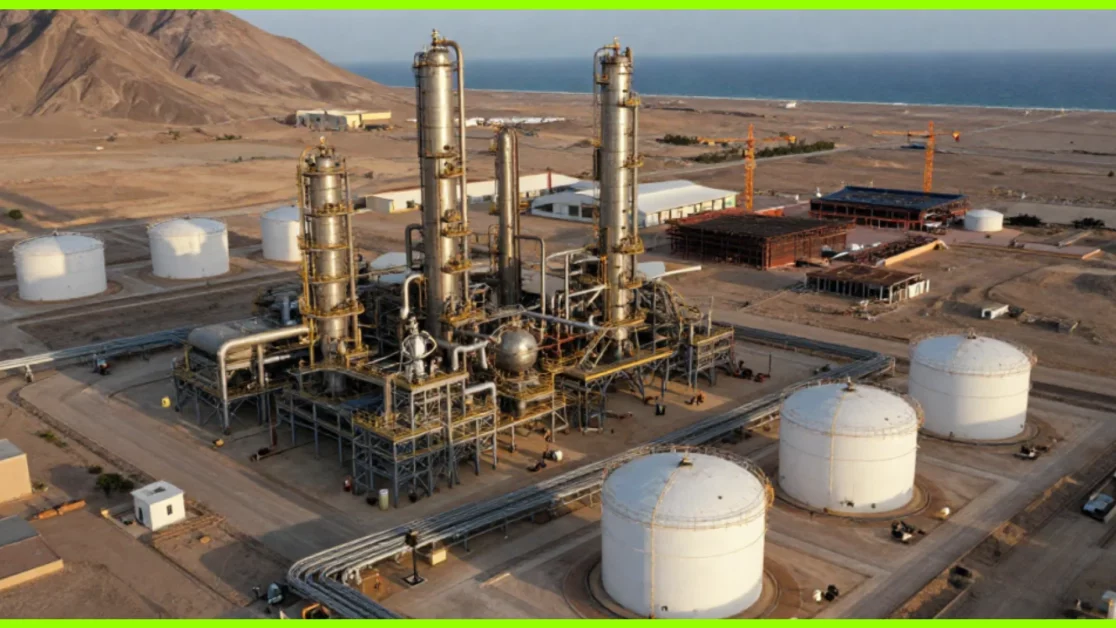
Pakistan’s $4.5bn Hub deep‑conversion refinery will boost energy security, create ~2,000 jobs and spur downstream petrochemicals, says SPEC Refinery and Commerce Minister Jam Kamal Khan.
SPEC Refinery Pvt Ltd has unveiled plans for Pakistan’s first deep conversion greenfield refinery in Hub, Balochistan, seeking government help to clear remaining approvals. Groundwork has already begun, the company told Commerce Minister Jam Kamal Khan during a briefing on Wednesday.
The project, estimated at $4.5 billion, is being developed under the federal Greenfield Refinery Policy and aims to process a wide range of international crude grades using advanced deep conversion technology. Developers say the facility will prioritise production of higher value petroleum products to reduce Pakistan’s reliance on imports.
In a statement after the meeting, the delegation led by Chairman Zafar Sheikh highlighted the refinery’s strategic importance for energy security and industrialisation. The team requested that the government expedite outstanding regulatory approvals from the Federal Board of Revenue to keep the project on schedule.
Officials say the refinery will also act as a catalyst for downstream industries. “The project represents a major long‑term investment… and has the potential to catalyse the development of downstream petrochemical industries,” the SPEC delegation said, outlining plans for related petrochemical feedstock production.
Commerce Minister Jam Kamal Khan welcomed the investment and framed it as a chance to leverage Pakistan’s strategic geography. “Strategic projects such as the Hub refinery can play a vital role in strengthening industrial capacity, enhancing energy security, creating jobs, and attracting long‑term foreign and domestic investment,” he said, according to the ministry.
The developers estimate roughly 2,000 direct and indirect jobs will be created during construction and operations, with additional local benefits in skills development and technology transfer. They also flagged possible export gains if value‑added petrochemical production expands.
Both sides emphasised public‑private collaboration as essential to accelerate implementation. The SPEC team requested government facilitation to implement the Greenfield Refinery Policy and to help fast‑track necessary permits, customs and tax clearances.
Pakistan currently imports significant quantities of refined petroleum products despite existing refinery capacity, a gap policymakers hope the Hub project will narrow. If approvals proceed smoothly and financing holds, the new refinery could reshape the country’s fuel and petrochemical landscape but timelines remain contingent on regulatory signoffs and implementation plans being finalised.