
Citizen-in-the-Loop Approach Essential for Sovereign AI, Says JazzWorld’s Aamir Ibrahim
October 30, 2026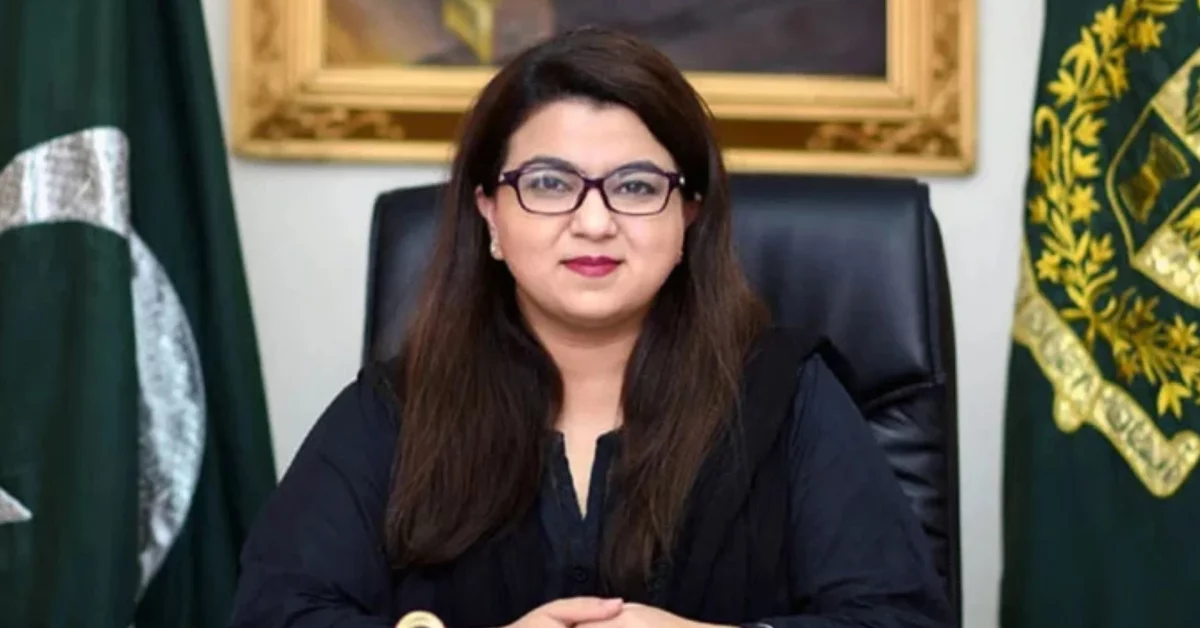
IT Minister Shaza Fatima Khawaja says tech firms must protect children online and backs age verification, but warns a full social media ban could push kids toward unsafe alternatives.
Pakistan’s IT Minister Shaza Fatima Khawaja has urged technology companies to take effective measures to protect children on digital platforms, stressing that online safety is a shared responsibility, SAMAA TV reported. Speaking on Wednesday, she cautioned against what many see as the easy answer: a complete ban on children’s access to social media.
According to the minister, an outright ban would not be an effective solution. Children who are blocked from mainstream platforms, she warned, could simply turn to unsafe alternatives. Instead, she called for a balanced approach that protects young users from online risks while still allowing them appropriate access to digital platforms.
Shaza Fatima also emphasised the need for an effective age-verification system to improve online safety. She said awareness, effective measures and open dialogue are all vital to protecting children in the digital space. Just as important, she noted, children need a safe environment where they can speak openly about the problems they face online.
The minister said parents, teachers and children must all be made aware of online risks, and that guidance from parents and teachers is essential. She added that this awareness must reach every corner of the country, not just the major cities. The Pakistan Telecommunication Authority (PTA), she said, is already running awareness campaigns on children’s online protection.
The remarks come as child safety on AI and social platforms draws serious legal scrutiny abroad. On October 14, attorneys general of eight US states filed separate lawsuits against OpenAI, alleging that ChatGPT misled parents and harmed children, according to CNBC.
SAMAA TV has also reported on a separate lawsuit over claims that ChatGPT advised a woman to cut seizure medication.
Pakistan’s stance, as outlined by the minister, favours regulation and education over prohibition. It places responsibility on technology companies, parents and schools at the same time. The reported remarks did not include details on how age verification would be built or enforced, or when new measures might arrive.
That leaves the key question unanswered: can Pakistan protect children online without cutting them off from the digital world? How the government answers it could shape the rules every platform operating in the country must follow.