
Pakistan Registers Six Satellite Firms, Starlink Awaits Clearance
November 9, 2026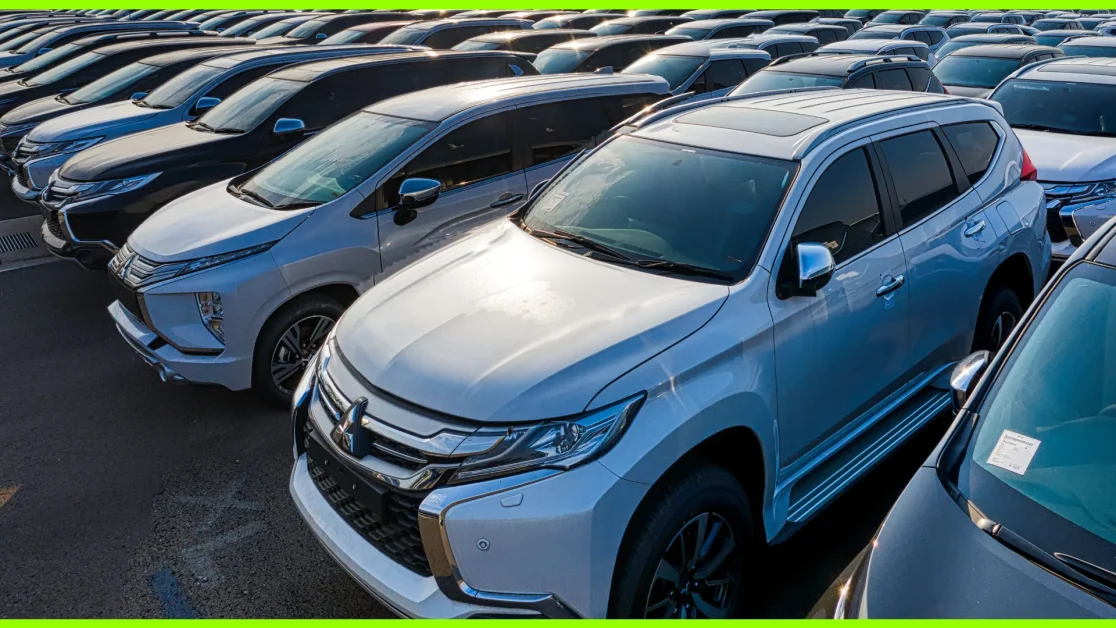
Pakistan’s Auto Policy 2026–31 targets cheaper vehicles, $6 billion in exports and faster EV adoption, while tightening localisation, safety and consumer-protection rules nationwide for motorists now.
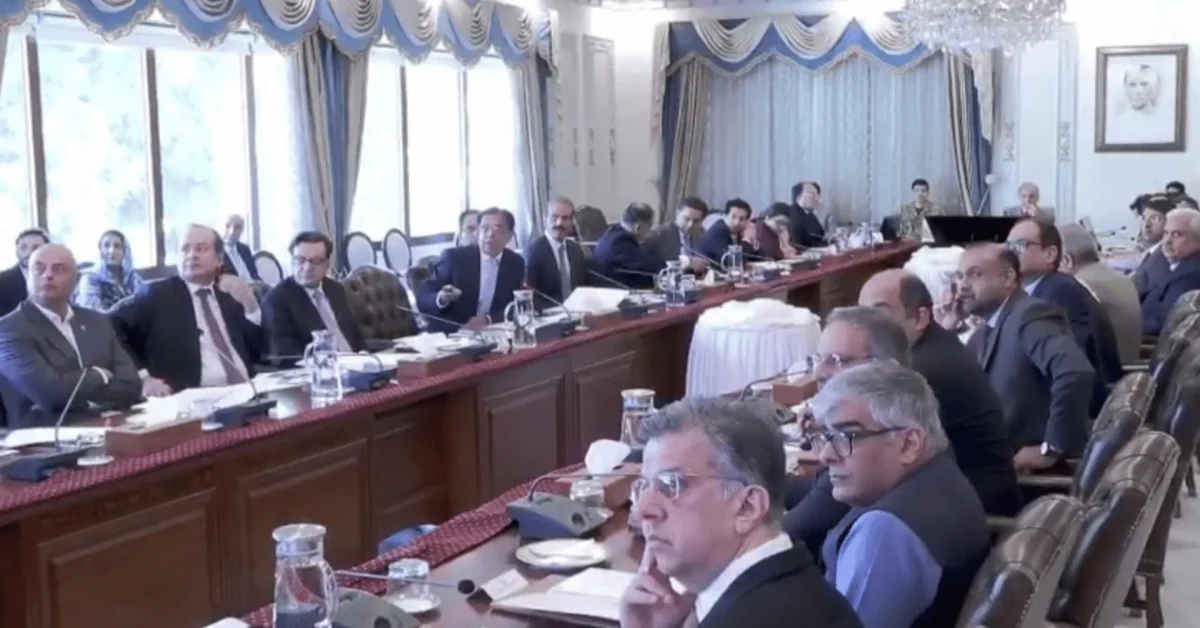
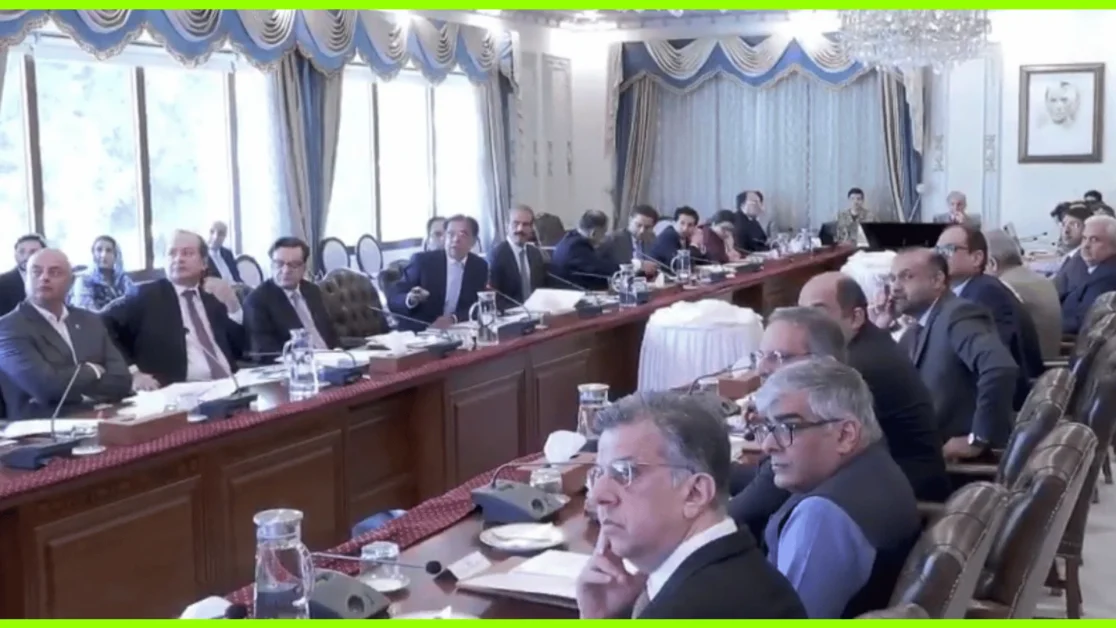
Pakistan has unveiled its Auto Policy 2026–31, promising lower vehicle prices, local manufacturing and a shift towards electric mobility. Announced in Islamabad on November 7, the policy aims to make the automotive sector more competitive and reduce reliance on imported fuel. It rests on six priorities: affordable vehicles, exports, localisation, safety, electric vehicles (EVs) and transparency. Prime Minister Shehbaz Sharif has approved the final draft, which will be submitted to the federal cabinet for consideration.
It aims to raise auto-sector exports to $6 billion over five years. Adviser to the Prime Minister on Industries and Production Haroon Akhtar Khan said duties on completely built-up vehicles, assembly kits, components and raw materials would be reduced over five years. Akhtar said, “You will see that prices of cars will come down … the manufacturing cost of automakers will come down.” The government expects lower costs to make vehicles more affordable, if manufacturers pass savings on to buyers.
The policy makes localisation targets mandatory and links incentives to export performance. Automakers meeting their targets will qualify for a 5% drawback of local taxes and levies, plus an additional 10% incentive linked to export growth, while companies missing targets may face penalties. Electric mobility is a major focus, with proposed sales tax rates of 1% for fully electric vehicles, 6% for range-extended EVs and 9% for plug-in hybrids. The concessions remain subject to International Monetary Fund approval, while incentives for charging infrastructure are also planned.
The policy introduces 45 additional vehicle-safety standards based on the United Nations’ WP.29 framework, covering locally manufactured vehicles and imported used cars. It limits advance booking payments to 20% of a vehicle’s price to strengthen consumer protection. Petrol vehicles below 1,000cc will be exempt from the proposed development levy, which is intended to help finance EV and export incentives. The levy will apply to vehicles powered by internal-combustion engines.
Information Minister Attaullah Tarar said EV adoption could reduce emissions and the petroleum import bill, freeing resources for public services. “If we reduce the fuel import bill, the resources saved can be diverted towards public facilities, infrastructure, healthcare and education,” he said. The policy seeks to reshape an industry criticised for limited competition and high prices. Whether buyers see cheaper cars, better safety and more choice will depend on implementation, cabinet approval and manufacturers’ response.