
Pakistan Signs Tade Pact with Cambodia
February 13, 2026
SUPARCO Launches EO-2 Earth Observation Satellite
February 14, 2026
Introduction: Your Platform Needs to Pay the Bills
You built something that people actually use. Maybe it’s an app, a website, or a digital service. The problem is servers cost money, developers need salaries, and your landlord doesn’t accept active users as rent payment.
Pakistan’s digital scene is growing fast with 116 million people online and 88% of retail transactions happening digitally. But most digital platforms have no clue how to monetize website Pakistan or turn traffic into actual revenue. You can have a million users and still be broke because traffic doesn’t pay bills and engagement doesn’t cover costs.
This guide breaks down how digital platforms in Pakistan turn users into money. No fluff, just strategies that work.
Image Source: Unsplash
Understanding Digital Monetization Models
Monetization means figuring out who pays you and why they’re willing to do it. The revenue model for apps Pakistan depends on your users, product, and market position.
Direct vs Indirect Revenue Streams
Direct revenue is straightforward. Users pay you through subscriptions, purchases, or fees. You know exactly what you’re selling and who’s buying it.
Indirect revenue means users get stuff free while someone else pays you like advertisers or sponsors. YouTube works like this where you watch free videos, Google sells ads, and creators get a cut.
The choice depends on your users. Will they pay? If yes, go direct. If not, find someone who will pay to reach them.
B2C, B2B, and B2B2C Monetization Approaches
B2C platforms like Daraz sell directly to consumers. Volume matters because you need lots of customers since each one pays relatively little.
B2B platforms serve businesses with payment gateways or software. Fewer customers but bigger deals. One business client might pay what a hundred consumers pay.
B2B2C platforms like JazzCash partner with businesses to reach consumers. Revenue comes from both sides, which is complicated but effective when done right.
Freemium, Subscription, and Transaction-Based Models
Freemium gives basics free and charges for premium features. GameNow uses this with free games and optional premium content. It builds a user base before asking for money.
The subscription business model Pakistan follows charges recurring fees monthly or yearly. Netflix Pakistan perfected this with predictable revenue streams.
Transaction models take a cut of each sale. Daraz charges 2% to 17% per transaction while Foodpanda takes 20% to 35% from restaurants. Revenue grows with platform activity.
Image Source: Unsplash
Advertising-Based Monetization
Ads let you offer free services while still making money. Someone has to pay, and if users won’t, advertisers will. Pakistan’s digital ad market is growing as brands realize traditional media is losing effectiveness.
Google AdSense and Meta Audience Network
AdSense works for content sites. Pakistani publishers earn PKR 10 to PKR 50 per click depending on niche. Tech and finance content pays more than entertainment.
Meta Audience Network helps apps monetize through Facebook and Instagram ads. Pakistani apps earn PKR 100 to PKR 500 per thousand impressions.
Both platforms pay through bank transfers. Setting up takes time, but once it works, money flows automatically. The catch is you need serious traffic because a few hundred visitors won’t cut it.
Native Advertising and Sponsored Content
Native ads blend into your content. News sites use sponsored articles that look like regular stories, and brands pay PKR 50,000 to PKR 200,000 per article depending on your reach. The key is making ads feel natural, not intrusive.
Influencers do this on social media where they charge PKR 10,000 to PKR 500,000 per sponsored post based on followers and engagement. Micro-influencers with 10,000 to 50,000 followers offer better value because their audiences actually trust them.
One rule: always label sponsored content clearly. Fool your audience once, and you lose them forever. Transparency builds long-term trust, which pays better than short-term tricks.
Programmatic Advertising and CPM Rates
Programmatic means automated ad buying. CPM rates in Pakistan run PKR 20 to PKR 200 per thousand views. Local ad networks like AdsMember and PakAdNetwork often pay better for Pakistani traffic than international ones.
Influencer Marketing and Brand Partnerships
Influencer marketing is growing rapidly in Pakistan. Brands spend PKR 100,000 to PKR 5 million on campaigns, with beauty, fashion, and food brands investing most because visual content sells their products effectively.
Long-term partnerships work better than one-off posts. Influencers who actually use products get better engagement. Platforms can build creator marketplaces connecting brands with influencers and take 10% to 20% commission for facilitating deals.

Image Source: Unsplash
Subscription and Membership Models
Subscriptions create steady money. Pakistani users are getting comfortable with recurring payments once you prove value.
Monthly vs Annual Pricing Psychology
Monthly pricing feels affordable at PKR 500 to PKR 2,000 per month. Users can cancel anytime, which reduces signup friction.
Annual pricing locks in revenue. Offer 2 to 3 months free for yearly payments. Users save money and you get guaranteed revenue for 12 months.
Tiered Membership Structures
Three tiers work best. Basic covers essentials, premium adds extras, and enterprise serves businesses with custom needs. Pakistani streaming services follow this with basic at PKR 500, premium at PKR 1,000, and family at PKR 1,500.
Payment Gateway Integration
JazzCash processes most digital payments in Pakistan. Both handle millions of transactions daily with straightforward APIs.
Include Visa and Mastercard for overseas Pakistanis and urban users. Raast processed 1.9 billion transactions worth PKR 44.3 trillion since launch. This instant payment system is becoming the backbone of fintech monetization in Pakistan.
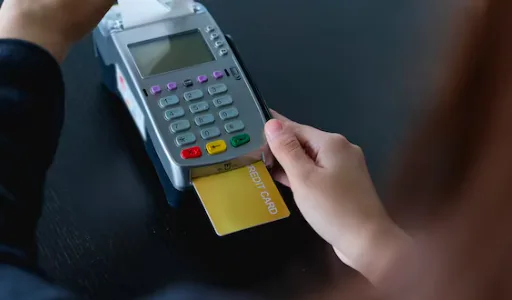
Image Source: Freepik
Transaction-Based Monetization
Taking a percentage of each transaction works when you connect buyers and sellers. Your platform makes transactions easy and safe.
Daraz charges 2% to 17% based on category plus PKR 50 to PKR 150 fulfillment fees per order. Foodpanda charges restaurants 20% to 35% commission on 100,000 daily orders. InDrive takes 15% to 25% from ride fares plus booking fees and surge pricing.
Payment Processing and Revenue Splits
Payment gateways charge 1% to 3% plus PKR 5 to PKR 15 per transaction. Build these costs into your commission structure. Revenue splits must work for everyone or suppliers will leave your platform.
Escrow Services
Escrow holds payment until delivery is confirmed. This builds trust where sellers know payment is guaranteed and buyers can complain if needed. Pakistani buyers won’t pay upfront to unknown sellers.
Dynamic and Surge Pricing
Surge pricing increases rates during high demand. Careem and InDriver use this during rush hours where riders pay more but get cars faster. Cap maximum increases at 2x to 3x normal rates to avoid backlash.
Image Source: Unsplash
E-commerce and Digital Products
Digital products have 80% to 95% profit margins after creation. One e-book sells thousands of times with zero extra production cost.
Selling Digital Goods
Pakistani creators sell courses at PKR 2,000 to PKR 50,000 depending on topic. Tech courses and English training sell best. SaaS companies charge PKR 5,000 to PKR 100,000 monthly for business tools.
Dropshipping and White-Label Products
Dropshipping lets you sell without inventory. Pakistani dropshippers source from China with 20% to 40% margins. White-label products carry your brand on someone else’s manufacturing, building better brand value.
Affiliate Marketing
Affiliates promote products for 5% to 30% commission. Daraz pays 3% to 8% on sales. Top affiliates earn PKR 100,000 to PKR 500,000 monthly. Track everything carefully to avoid disputes.
Cross-Border Sales
Fiverr and Upwork help Pakistani freelancers earn dollars from global clients. Physical products ship internationally through Etsy and Amazon. Focus on unique value that international buyers can’t get locally.
Emerging Monetization Models
New technologies create new revenue opportunities. Early movers capture good returns but face higher risks.
Creator Economy and Tipping
Facebook and TikTok let Pakistani creators earn from tips during live streams. Top creators make PKR 50,000 to PKR 500,000 monthly. Platforms can take 10% to 20% as fees.
NFTs and Web3
NFTs let creators sell unique digital items. The market is tiny but growing slowly. Pakistani crypto adoption is low due to regulatory uncertainty. State Bank doesn’t recognize cryptocurrencies, which limits Web3 monetization for now.
Carbon Credits and ESG Revenue
Companies pay for carbon credits to offset emissions. Digital platforms with green operations can generate these credits. ESG investing is growing globally, helping Pakistani platforms attract better funding terms.
Conclusion: Pick One and Do It Well
Pakistan’s digital monetization landscape offers plenty of options for online business monetization strategies. The best approach depends on your platform, users, and resources.
Start with one model that fits your strengths. Have traffic? Try advertising. Deliver ongoing value? Test subscriptions. Connect buyers and sellers? Take transaction fees. Pick one, execute it properly, then add others.
Pakistani digital users behave differently than Western ones. What works in the US might flop here. Local knowledge beats copying foreign playbooks.
Digital payments hit PKR 612 trillion last fiscal year, up 12% year-over-year. More users are comfortable paying online and more businesses are going digital. The opportunity is real, and now you just need to grab it.