

Pakistan Urged To Reduce Imported Energy Dependence
May 7, 2026
UBL Partners Indus DC REIT for Cloud Expansion
May 8, 2026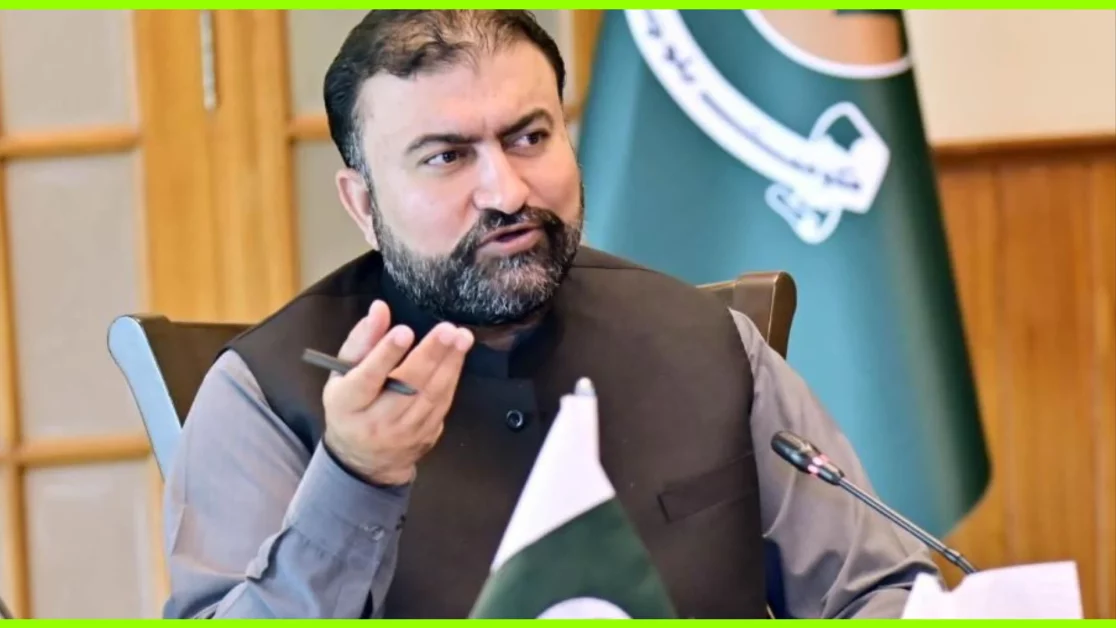
Balochistan launches electric buses, solar energy projects, Safe Cities plans, and welfare initiatives under a broader sustainability strategy.
The Balochistan government has approved a series of sustainability and infrastructure initiatives aimed at modernising public services and accelerating environmentally friendly development across the province. The decisions were finalised during a Public-Private Partnership board meeting chaired by Sarfraz Bugti.
One of the key announcements was the gradual conversion of Quetta’s Green and Pink public bus fleets into electric vehicles. Provincial officials said the move is intended to reduce urban pollution while improving the quality, safety, and efficiency of public transport services in the provincial capital. According to the report published by Dawn, the project received in-principle approval during the meeting.
The provincial government also approved plans to transition the Chief Minister Secretariat to solar power. Authorities believe the shift to renewable energy will help reduce operational costs and support broader energy conservation goals. Chief Minister Bugti stated that alternative energy remains a central priority under the province’s development strategy.
Officials noted that the government is increasingly relying on public-private partnerships to accelerate project implementation and improve governance outcomes. Bugti said collaboration with the private sector would help deliver modern infrastructure and public services more effectively across Balochistan.
The announcements come amid wider efforts by Pakistan to encourage cleaner energy adoption and sustainable urban development. According to the International Energy Agency, Pakistan continues to expand renewable energy initiatives as part of its long-term energy transition goals.
Separately, authorities reviewed progress on several major welfare and infrastructure programmes currently underway in the province. Officials confirmed that the new People’s Train Service is expected to launch on August 14, with preparations for the train’s bogies already completed.
Security and urban development initiatives were also discussed during the meeting. The provincial administration plans to declare eight major cities as “Safe Cities” by June 30 to strengthen surveillance systems, improve emergency response, and enhance public safety infrastructure.
In the health sector, officials reported that Balochistan achieved 94 per cent of its routine immunisation targets, surpassing several other provinces in vaccination performance. The province has also established 2,100 community schools that have brought more than 136,000 out-of-school children back into the education system, according to figures shared during the review meeting.
Additional development projects include the installation of 1,255 water filtration plants across 900 union councils and the construction of five dams expected to irrigate over 42,000 acres of land. Provincial officials reiterated their commitment to ensuring timely completion of all projects through continuous monitoring and interdepartmental coordination.