

DRAP Digitises Medicine Registration Process
November 2, 2026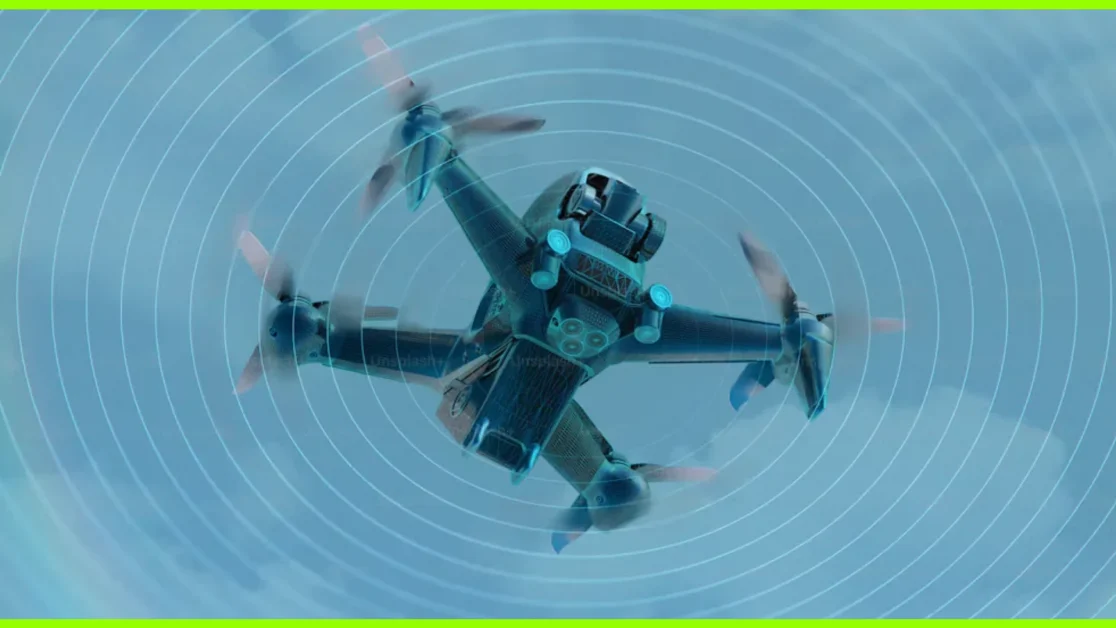
KP police integrate drone surveillance and anti-drone systems into the Safe City network, strengthening counterterrorism operations and aerial threat monitoring.
Khyber Pakhtunkhwa is strengthening its law enforcement infrastructure by integrating modern drone surveillance and anti-drone technology into its Safe City network, reflecting the growing importance of aerial monitoring in counterterrorism and public security operations.
The initiative connects anti-drone systems and surveillance drones deployed across the province with the Safe City Peshawar Command and Control Centre, enabling senior police officials to monitor live aerial footage and maintain greater oversight of security operations.
The integration will allow real-time video feeds from police drones to reach the central monitoring facility, providing senior officers with direct visibility of field operations and offensives conducted by the police and the Counter Terrorism Department (CTD) against militant groups. This centralised monitoring system is intended to improve operational coordination and enable timely support for personnel deployed in sensitive areas.
According to KP Safe Cities Project Director Deputy Inspector General Ijaz Ahmad, the integration will also strengthen the police’s ability to detect and neutralise hostile quadcopters and other unmanned aerial threats. Anti-drone systems have already been connected to the central monitoring centre to facilitate a coordinated response across different districts.
Modern anti-drone systems are operational in Peshawar, Dera Ismail Khan, Lakki Marwat, Tank, and Bannu. Police personnel stationed in remote and sensitive locations have also been equipped with anti-drone guns to counter potential aerial threats.
However, limited internet connectivity in certain remote areas remains a challenge for province-wide surveillance and communication. To address this constraint, the KP police are working with the Space and Upper Atmosphere Research Commission (Suparco) to improve connectivity and strengthen communication infrastructure.
Alongside technological integration, the KP police have established a specialised human resource division dedicated to unmanned aerial vehicle (UAV) operations. The development comes amid the increasing use of drones by militant groups for surveillance, ammunition drops, and more sophisticated attacks, including coordinated swarm operations.
The specialised division has trained personnel in modern drone operations, aerial surveillance, intelligence gathering, and counterterrorism. Its training also covers the protection of sensitive installations and the deployment of UAV technology during high-risk security operations.
An important aspect of the initiative is the division’s electronic warfare capability, which enables trained personnel to counter hostile drones through specialised technical measures rather than relying exclusively on conventional surveillance and interception equipment.
According to the KP police, this is the first specialised UAV division established by a police department in Pakistan. Its formation represents an institutional effort to develop dedicated expertise in emerging aerial technologies and prepare law enforcement agencies for increasingly complex security threats.
The integration of surveillance drones, anti-drone systems, and centralised monitoring is expected to strengthen coordination between police units, improve situational awareness, and enhance responses to militant activities across Khyber Pakhtunkhwa.