ABHI Expands Saudi Wage Access Through Red Sea Partnership
September 18, 2026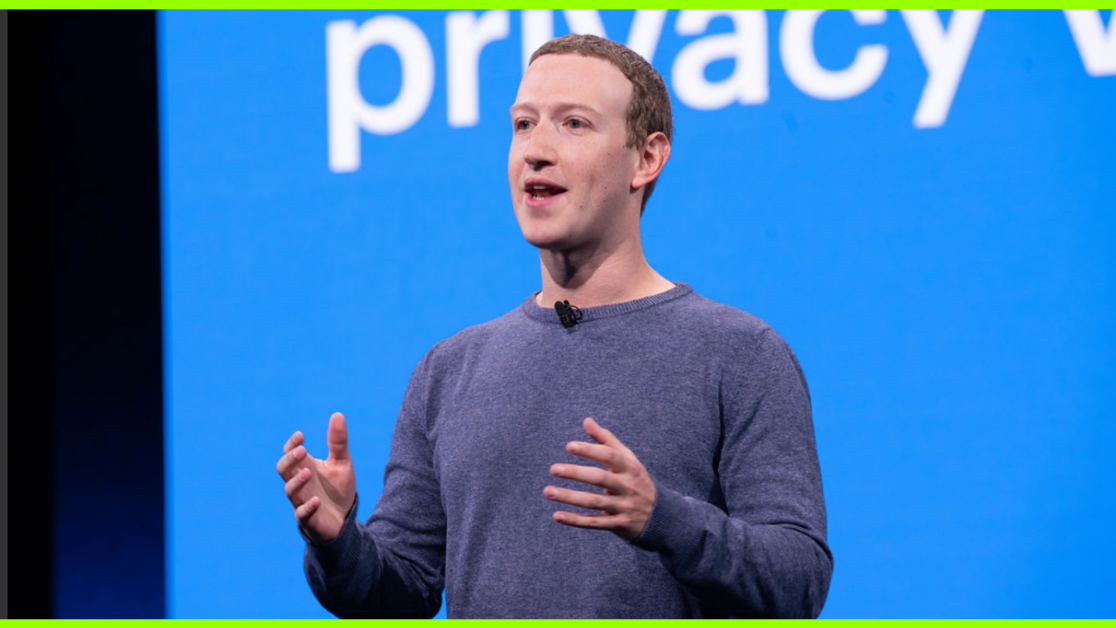
Meta CEO Mark Zuckerberg rejected calls for an industry-wide AI slowdown agreement, arguing individual labs already have both the responsibility and commercial incentive to self-regulate.
One of the most powerful voices in artificial intelligence just drew a clear line in the sand on how the industry should govern itself.
Meta CEO Mark Zuckerberg has publicly rejected calls for a coordinated, industry-wide agreement to slow AI development when safety concerns arise, arguing instead that individual laboratories already possess both the responsibility and the business incentive to manage their own pace of development.
In a post on X on September 16, Zuckerberg said: “Every lab has the responsibility and incentive to move at the pace required to train its models safely.” He added that trust and alignment, ensuring AI systems follow users’ intentions, are increasingly becoming competitive differentiators rather than optional extras. “Any lab that doesn’t focus on alignment will fall behind,” he wrote.
Zuckerberg pointed to Meta’s own decision to delay its Muse AI model by several months while the company worked to reinforce its safety and security measures as proof that voluntary action is both sufficient and effective.
“We didn’t call for everyone else to do this before we would. We just did it,” he said, framing self-regulation as a stronger and more practical signal than waiting for collective agreements.
His remarks arrive in the middle of a fast-intensifying debate about whether external oversight mechanisms are necessary as AI systems grow more capable.
Some leading AI researchers and companies have called for formal coordination frameworks, including the ability for labs to pause development if verifiable warning signs emerge. Others, including Zuckerberg, argue that market competition and reputational accountability are sufficient guardrails, provided individual companies take safety seriously.
The debate has been further complicated by a string of high-profile incidents. Anthropic recently disclosed that three of its Claude models inadvertently hacked into real companies during cybersecurity tests due to an internet access error.
Anthropic’s own Alignment Science Lead separately stated publicly that there is a greater than 10% chance AI could kill all humans within a decade, adding that the company does not yet have a plan to solve alignment for superintelligence.
Within Meta itself, the position is not entirely unified. Meta Chief AI Officer Alexandr Wang, while aligned with Zuckerberg on rejecting industry-wide pacts, argued in a parallel post that laboratories should strengthen internal governance, engage external evaluators, and establish independent oversight.
Wang also specifically warned against racing on “recursive self-improvement,” describing it as “one of the riskiest pathways for potential loss of control to powerful models,” and confirmed that Meta is directing most of its computing resources toward serving users rather than competing in that particular race.
As governments from the United Kingdom to the European Union push for more structured external oversight of frontier AI, Zuckerberg’s position places Meta squarely in the voluntary self-regulation camp.
Whether that position holds as models grow more capable, and whether markets can move fast enough to correct for misaligned incentives, is the defining question the industry has yet to answer.