
Pakistan’s AI, IT Freelancers Positioned To Drive Exports
July 20, 2026
Ittehad Chemicals Secures Rs1.5 Billion Via Short-Term Sukuk
July 21, 2026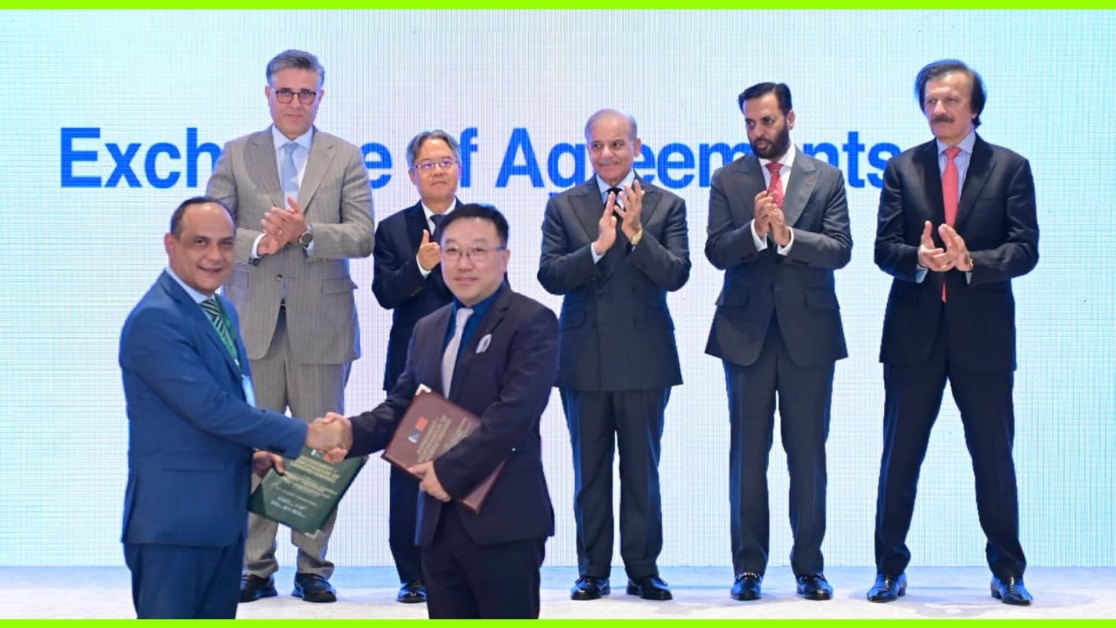
Pakistan and China signed deals worth about $850m at the Pakistan–China Pharma & Healthcare B2B Conference, aiming to boost local vaccine, raw-material and medical-device production.
The Pakistan–China Pharmaceutical & Healthcare B2B Investment Conference 2026 concluded on Saturday with agreements amounting to roughly $850 million, officials said, marking what federal health minister Syed Mustafa Kamal described as a potential turning point for Pakistan’s pharma sector.
Kamal told reporters that the event produced 16 contracts and 80 memoranda of understanding, including 18 deals focused on herbal medicines, and that contracts worth $600 million and MoUs worth $250 million had been finalized. “Now a new era has begun between Pakistan and China; its results will go down to generations,” he said, crediting the government’s leadership for the momentum.
Officials said the package prioritises local production of vaccines, pharmaceutical raw materials and medical devices areas where Pakistan currently relies heavily on imports. The minister warned that vaccine import costs could reach $1.2 billion by 2030, and said local production was “imperative” to curb import dependence and conserve foreign exchange.
One immediate target is reducing an acute dependency on imported inputs: Pakistan imports about 90 percent of pharmaceutical raw materials. The agreements with Chinese firms, organisers say, include plans to build raw-material manufacturing plants, vaccine production facilities and medical-device units inside Pakistan, with several Chinese executives expressing confidence projects can be implemented within two years.
The conference also moved to strengthen regulatory and research capacity. Kamal highlighted DRAP’s digital reforms with 80 percent of services now online promising drug licences by email within 20 days of registration. He expressed confidence Pakistan would reach WHO Drug Regulatory Maturity Level 3 by April 2027, up from ML2, opening broader export opportunities.
Beyond manufacturing, the accords cover clinical trials, vocational training and technology transfer aimed at expanding local capacity and jobs. “The signing of these agreements is proof of Pakistan’s business potential,” Kamal said, noting participation from 146 Chinese companies and more than 200 Pakistani firms.
Analysts caution that translating MoUs into on-ground projects will require sustained policy support, timely regulatory approvals and infrastructure investment. Still, for government officials and industry stakeholders, the conference represents a major push to turn a high-import healthcare sector into a locally driven industry capable of exporting to new markets.