
FBR Mandates Digital Monitoring for Packaged Milk Producers
May 25, 2026
Dar to Attend UNSC Debate in New York
May 26, 2026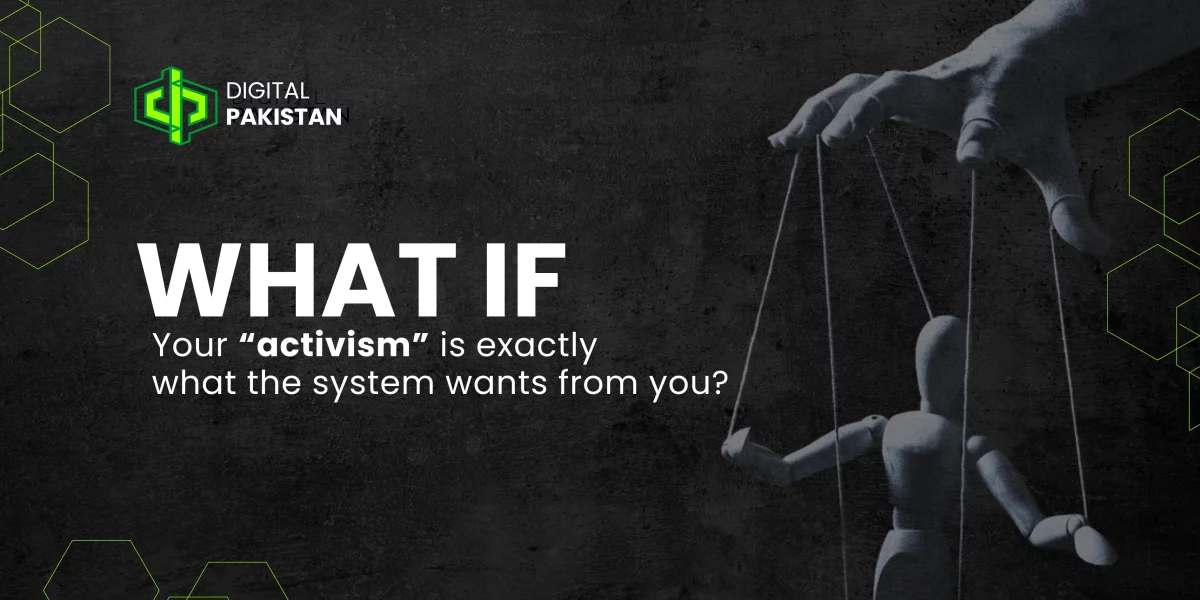
Introduction
Every generation thinks it is the most politically aware generation in history. Every generation thinks it finally “understands the system.” But what is happening online right now is not revolutionary consciousness. It is performance. Loud, hyper visible, emotionally charged performance designed perfectly for platforms that profit from attention.
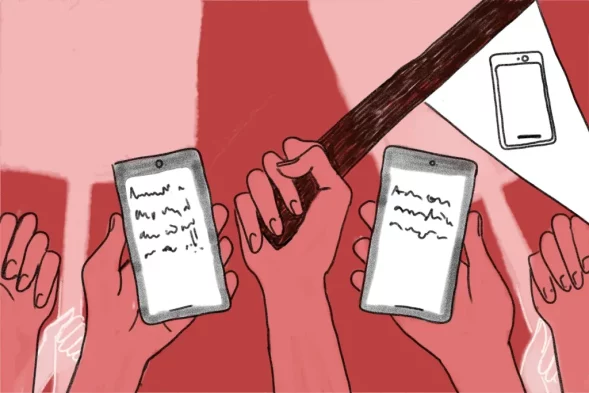
People seriously think reposting infographics at two in the morning is activism. They think changing a profile picture means participation. They think posting outrage publicly is the same thing as confronting power. It is not. It is emotional theater built for algorithms.
Politics Became Content and Everyone Started Performing
The moment politics entered the logic of social media, it stopped being political engagement and became consumable content. Fast. Shareable. Performative. Designed for reactions instead of understanding. Politics today is packaged like entertainment. It has aesthetics, trends, viral moments, and emotional scripts people repeat without thinking. Entire movements are reduced into simplified graphics because complexity does not spread online. Anger spreads. Certainty spreads. Performance spreads.
Rebecca Warber; The Michigan Daily
Look at Blackout Tuesday during the Black Lives Matter protests in 2020. Millions flooded Instagram with black squares because posting the correct aesthetic suddenly became more important than understanding the movement itself. Activists were literally begging people to stop because vital information about protests, legal aid, and organizing efforts was being buried under performative posting from people desperate to publicly display awareness.
That moment exposed everything. People were not trying to dismantle systems. They were trying to look morally aligned in front of an audience.
And social media rewarded them for it.
Platforms Do Not Care About Justice. They Care About Engagement
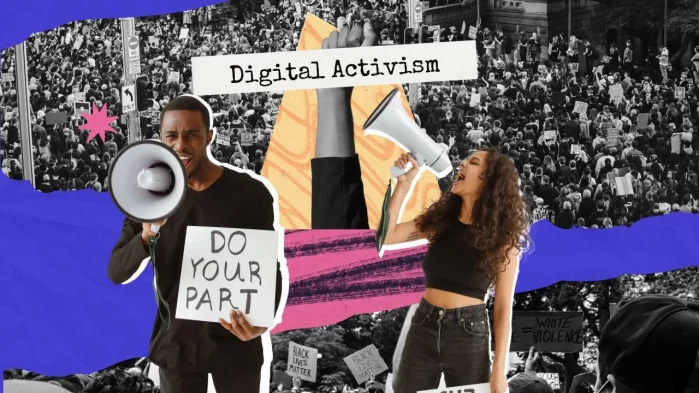
People talk about platforms like they are tools for liberation. Stop romanticizing them. These companies do not care about justice, awareness, or political progress. They care about engagement metrics. Your outrage is profitable. Your anxiety is profitable. Your constant emotional reaction is profitable.
That is why the most extreme, emotional, and simplified political content spreads the fastest. Nuance dies online because nuance does not perform well. Rage performs well. Moral superiority performs well. Certainty performs well. The algorithm does not reward accuracy. It rewards attention.
Omar Faruque Simanta; LinkedIn
So political discourse gets flattened into slogans, aesthetics, and emotionally manipulative content because that is exactly what the system amplifies. Social media platforms learned very quickly that outrage keeps people scrolling longer than education does. The more emotionally overstimulated users become, the more time they spend online. That is the business model.
Look at how the Israel Palestine conflict circulates online. Entire political positions are now built from fifteen second clips, emotionally loaded slideshows, and decontextualized footage shared millions of times before anyone verifies anything. People consume war through scrolling. Death becomes content. Suffering becomes engagement. And then the algorithm moves everyone onto the next outrage cycle a week later like nothing happened.
This is not political education. This is emotional consumption at industrial scale.
And the most disturbing part is how people mistake emotional intensity for political seriousness. Just because something makes you feel overwhelmed does not mean you understand it. Exposure is not expertise. Seeing suffering constantly does not automatically produce political consciousness. Sometimes it just produces exhaustion, confusion, and performative empathy.
Political Identity Became Social Currency
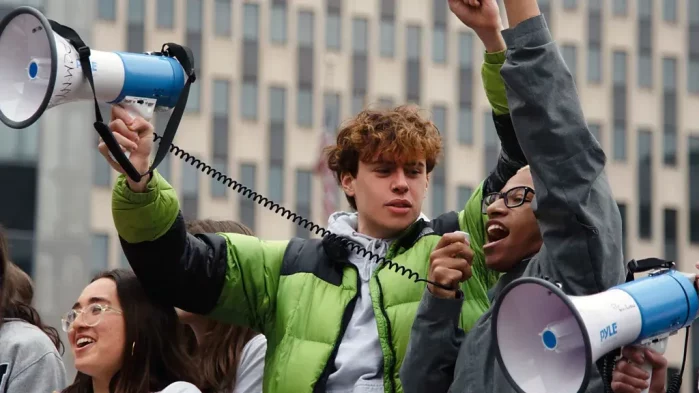
Social media turned politics into identity branding. Your opinions are no longer just opinions. They are performances for public validation. Online, silence is treated like guilt and visibility is treated like morality. People are terrified of not appearing politically aware because awareness itself became social currency.
So now everyone rushes to participate instantly before they even understand what they are talking about. Nobody pauses anymore. Nobody researches. Nobody reflects. They see a clip, absorb the emotional framing, repost it, and immediately start speaking with absolute certainty. The pressure to appear informed is stronger than the desire to actually become informed.
Megan Carnegie; BBC
This is exactly why misinformation spreads so aggressively during crises. During the Russia Ukraine war, fake combat footage, recycled videos from old conflicts, and even clips from video games spread across TikTok, Instagram, and X because people cared more about participating than verifying. Everyone wanted visibility inside the moment. Nobody wanted truth slower than virality.
And platforms encourage this because speed matters more than accuracy online. The first reaction gets attention. The thoughtful one disappears. Thoughtfulness is invisible online because the algorithm feeds on immediacy.
What makes this worse is that people now build entire identities around public political positioning. Being “aware” online became part of personal branding. Politics is no longer just belief. It is aesthetic presentation. Your reposts become signals about who you are, what social group you belong to, and whether you deserve validation from your audience.
That is why so many people perform outrage publicly but disappear when actual participation requires discomfort, risk, or long term commitment. Online politics rewards visibility without demanding sacrifice.
Awareness Became an Aesthetic Instead of Action
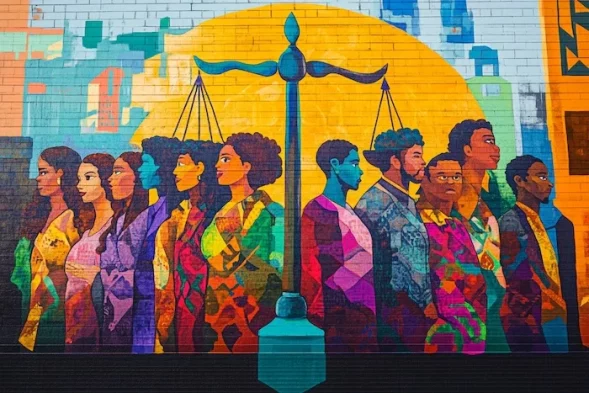
The internet turned activism into aesthetics. Political engagement now has trends, visuals, approved language, and performance rituals. Entire movements are reduced into graphics optimized for reposting because platforms prioritize what looks emotionally impactful over what actually explains reality.
You can literally watch outrage become fashionable.
Khayos Art
And corporations learned this instantly. Every brand suddenly performs morality when public pressure rises because political aesthetics generate engagement. Companies post polished statements about justice while continuing exploitative labor practices behind the scenes. But nobody cares because online culture prioritizes visible alignment over structural reality.
People do the exact same thing individually. Posting creates the illusion of contribution because platforms psychologically reward expression with visibility and validation. Your brain interprets social approval as accomplishment even when nothing materially changed. That is why people confuse emotional release with political action.
Real activism is exhausting. It requires organizing, education, sustained pressure, risk, community work, and long term commitment. None of those things are glamorous online because they are slow, invisible, and difficult. They do not generate instant dopamine. Reposting does.
That is why so many people stop there.
Conclusion
The most dangerous thing social media ever did was convince people that displaying care publicly is the same thing as creating change. It produced generations addicted to political expression while remaining deeply disconnected from political action.
Everyone is constantly reacting. Constantly posting. Constantly performing outrage. And meanwhile systems remain completely intact. Because platforms are not designed to produce resistance. They are designed to absorb resistance and turn it into engagement.
That is why every generation thinks it discovered activism online. Because social media manufactures the emotional experience of political participation. It makes people feel involved while trapping them inside endless cycles of visibility that rarely threaten power in any meaningful way.
And honestly, that illusion is incredibly convenient for the system. A population busy performing politics online is far easier to manage than a population organizing materially offline. People release their anger into platforms owned by billion dollar corporations and mistake that emotional discharge for resistance.
That is the part nobody wants to say out loud. Most online activism is not resistance.
It is performance optimized for algorithms.