

IMF Sets 11 New Conditions for Pakistan Under Loan Programme
May 16, 2026
Google Tests Reduced Free Storage for New Gmail Accounts
May 17, 2026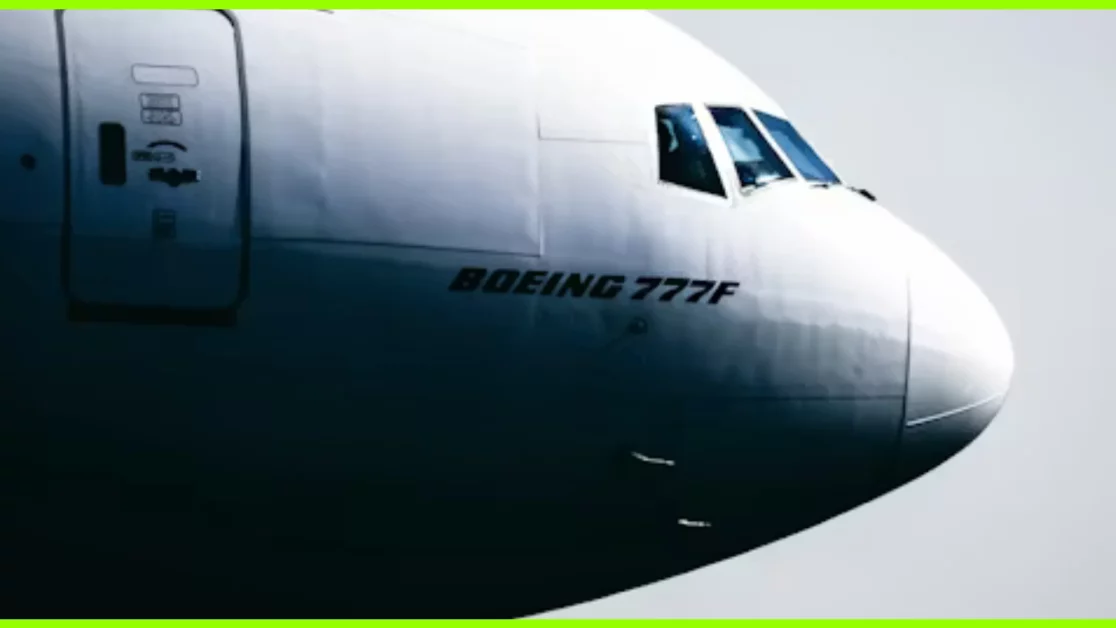
Boeing confirms China’s initial commitment to purchase 200 aircraft, with potential follow-up orders that could reshape global aviation markets.
Boeing has confirmed that China committed to purchasing an initial 200 aircraft during US President Donald Trump’s recent visit to Beijing, marking Boeing’s biggest breakthrough in the Chinese market since 2017.
The announcement was made after Trump revealed details of the agreement during interviews and meetings following his China trip. Boeing described the development as a major milestone in reopening commercial aircraft orders from China after years of stalled purchases and geopolitical tensions.
In a statement, Boeing said the initial commitment includes 200 aircraft, while additional orders may follow in future phases. The company added that it expects to continue expanding its role in meeting China’s rapidly growing aviation demand.
According to industry estimates cited in the report, the value of the initial order could range between $17 billion and $19 billion, depending on the aircraft mix. Analysts noted the figure could rise to nearly $25 billion if more widebody aircraft such as the 787 Dreamliner and 777 are included in subsequent orders.
Trump also claimed China could eventually purchase as many as 750 Boeing aircraft if future negotiations progress successfully. If completed, such a deal would potentially become the largest aircraft order in aviation history, surpassing previous record-breaking agreements involving Airbus and Indian carrier IndiGo.
The deal carries major significance for Boeing as it attempts to strengthen its position against European rival Airbus, which has gained substantial market share in China in recent years. China’s domestic aviation market continues to expand rapidly, while local manufacturer COMAC is still struggling to scale production of its C919 aircraft to meet rising demand.
However, market reaction to the announcement remained cautious. Boeing shares fell after investors noted the confirmed order size was lower than earlier expectations of more than 500 aircraft tied to the Beijing summit.
Industry experts also pointed to ongoing geopolitical concerns and uncertainty around after-sales support and parts access. Analysts said Chinese airlines remain cautious about depending heavily on Boeing amid fears of future export restrictions and supply chain disruptions linked to US-China tensions.
Despite those concerns, the agreement represents a significant commercial and diplomatic win for both Boeing and the Trump administration, while highlighting aviation’s growing role in broader US-China economic negotiations.