
Faysal Bank Launches Pakistan’s First Cardless ATM Withdrawals
April 7, 2026
Saudi Arabia Enables Instant Umrah Visas Through Bookme
April 9, 2026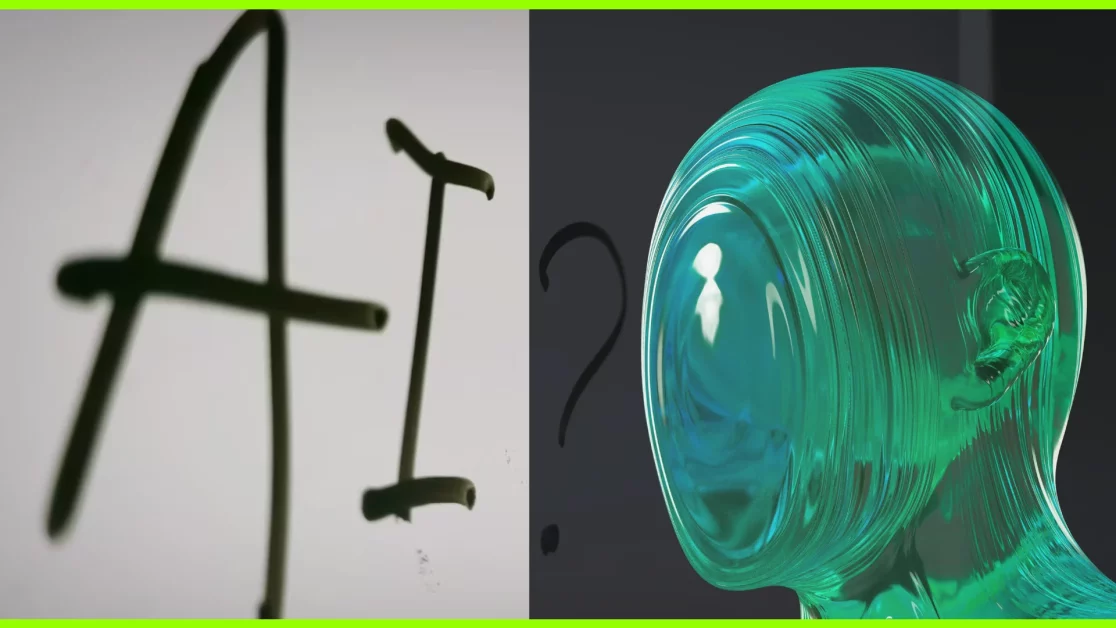
AI art faces skepticism similar to past innovations, with advocates arguing it enhances—not replaces—human creativity and expands artistic boundaries.
Resistance to emerging artistic technologies is not new, as debates surrounding AI-assisted art echo earlier skepticism toward photography and digital media. When photography first appeared in the 19th century, critics argued it undermined traditional painting. Over time, however, it gained recognition as a powerful medium, producing figures such as Ansel Adams, Dorothea Lange, and Cindy Sherman.
A similar pattern followed the rise of digital art, which was initially dismissed as overly reliant on software but is now widely exhibited and respected. Proponents of AI-assisted art argue the same trajectory is unfolding today.
“At Agora, we see it as a tool—a new kind of brush,” representatives said, challenging the notion that AI replaces human creativity. Artists increasingly use AI to refine ideas, experiment with concepts, and extend their creative processes rather than eliminate effort.
Critics often question the labor behind AI-generated works. Supporters respond that effort manifests differently, through prompt design, iteration, and conceptual development.
Agora maintains that artistic value lies in vision and expression, not just technique. As debates continue, AI art is prompting a broader redefinition of authorship and creativity in the modern era.