
Pakistan Requests Iran Pipeline Extension Until 2035
January 24, 2026
Raqami Bank to Launch with $100M Investment
January 25, 2026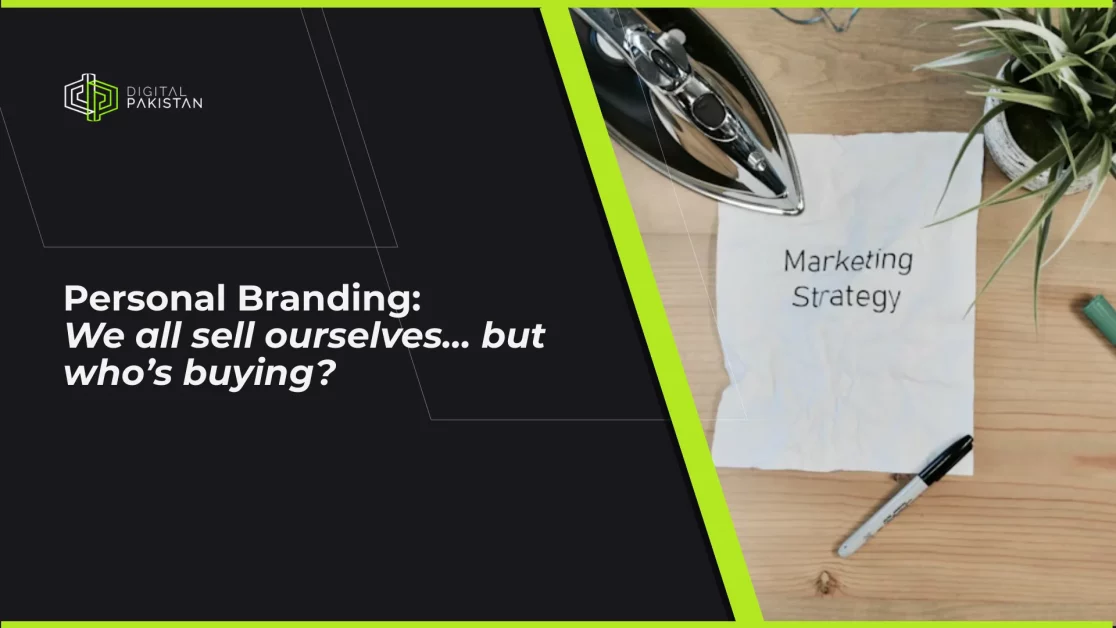
Do you ever feel that nobody that you know of has any idea who they are and who they wish to be. It is almost as if people have lost the plot of their own lives, sacrificing themselves to make offerings to the Gods of algorithm. It is now less about being an actual person, with real identities, idiosyncrasies, authentic style, original viewpoints, and more about being a brand.
Every influencer, youtuber, Instagram personality, TikToker, sounds, acts, thinks and commercializes themselves as a caricature and a mimic of the industry that of which they the poster child. When you’re willing to go to any lengths to acquire massive digital fortune, millions of views, brand deals, sponsorships, ad placements – you essentially sell yourself down the river.
You, very wittingly, become the puppet of the whole algorithmic song and dance. A faceless microscopic cog in the master plans of social media over lords. Out of touch and divorced from facts of human lives, people online are interested in being indoctrinated through passive internalization of cheap and low values, capitalist morals and hive-mind mentality that comes with selling out.
Everyone is an empath, an activist, a hardcore liberal, an environmentalist, philanthropist, what have you, until it no longer benefits their brand and all its sinister ulterior motives. The second that the culture shifts and having one kind of curated digital public identity isn’t serving one’s own self-centered motivations, it’ll call for a top to bottom rebrand.
Being a good and authentic person is only fun when it’s trending. Taking a liberal, left-wing political stand is cool until it’s not in fashion anymore. Advocating for the rights of the marginalized, underprivileged, disadvantaged and segregated minority communities is righteous up until doing so fails to keep you at the top of the charts and pay the bills.
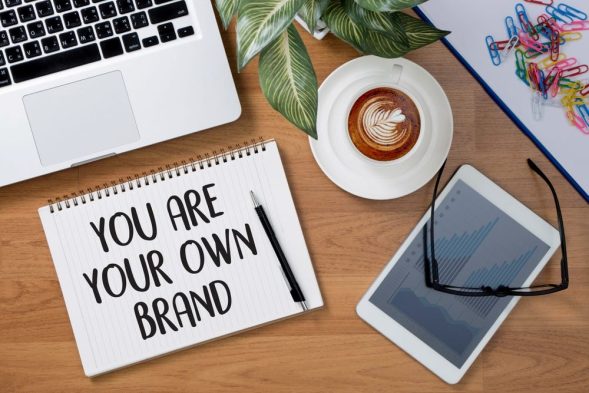
Image source: Medium
In the words of Thomas Shelby, from Peaky Blinders, “Everyone’s a whore, Grace. We just sell different parts of ourselves.” Simon says, “Strip down to bare essentials and dance provocatively for views!” Simon says, “Do something so enraging and bizarre that people feel compelled to hate watch, hate comment and hate share.”
Simon says, “creating bald face lies about who you are and how could afford a luxury lifestyle will get you brand deals.” Simon commands you do literally ANYTHING and Everything for views, till you can’t separate your own mind from that of your digital performative personae. Simon has murdered personal identity and style and made it look oh so tempting.
The Hive Mind
In the Netflix series, Stranger Things, the hive mind connects all the creatures and forces in Vecna’s Upside-Down realm. It functions as a shared consciousness where everything operates as part of a single massive organism. This includes the Demogorgons, Demobats, Vines and Flayed humans.
Vecna can see through the eyes of any creature connected to the hive mind. He can control all connected beings as if puppeteering them; Damage to one part affects the whole. The hive mind acts as both a defense system and spy network.
So why are we talking about Vecna’s hove mind in this article? Is it just because Season 5, Volume 2 is dropping this week and we can’t contain our excitement? Or could it be an ominous metaphorical analogy to demonstrate the underlying functions of digital identities and personal branding? You know what, a metaphor can do two things.
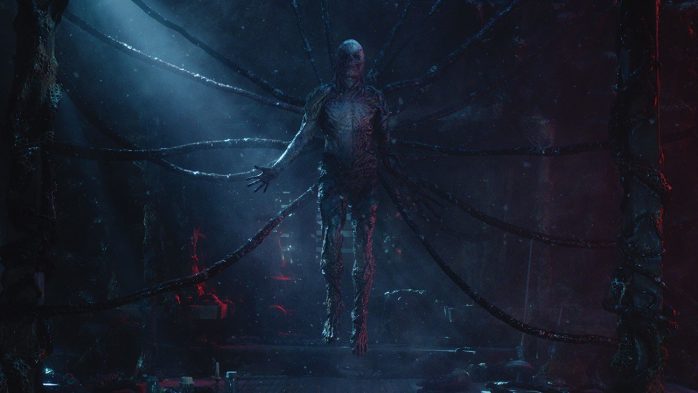
Image source: The Hollywood Reporter
The algorithm is Vecna, an unseen force puppeteering the connected “creatures” who’ve convinced themselves they’re in control. Content creators are the Flayed, possessed humans who believe they’re making independent choices, curating their own feeds, building their own brands, when in reality they’re just marionettes dancing to the tune of whatever’s trending.
When one viral trend gets backlash and “damages” the system, watch how every connected creator feels the shockwave and pivots in perfect synchronization. Like a flock of birds changing direction mid-flight. Content creators, podcasters, internet personalities – they all function in the shared delusion of authenticity, while doing things that are borrowed, controlled, bargained for and replicated.
And just like Vecna sees through the eyes of his creatures, harvesting intelligence from every corner of his dark domain, platforms are constantly watching through our digital personas, mining our data, tracking our movements, studying our behaviors, learning what makes us click, share, and sell our souls for one more dopamine hit of validation.
If You Can Own a Mic, you can Own a Podcast
Somehow, being able to buy and set up a microphone system in your living room has given content creators a strange kind of entitlement. A sense of self anchored on the false belief that since they own a mic, people will inevitable be interested in what they have to say. Because every unfiltered, delusional, narcissistic, out-of-touch thought that comes out of their mouth is simply pure gold.
The act of holding a microphone is enough to patch up and feed their wounded, starving, depraved egos. The symbol of the center-stage, spotlight promotes the idea that these people have the power to say whatever they want, on any subject they want, whether or not they are in possession of the complete facts and are educated on the matter.
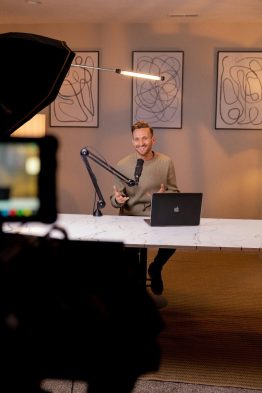
Image source: Unsplash
Just like being a personal brand is easier than being a person, becoming a pseudointellectual is greatly easier than putting in the resources required to truly be a scholarly intellectual. Why be a person with substance and real expertise, when you can simply play pretend? Preforming and branding has completely superseded the need, worth and act of becoming.
Here’s the kicker: these podcasters know exactly what they’re doing. They’ve studied the algorithm, learned the engagement hacks, mastered the art of saying inflammatory things with just enough plausible deniability. They’re not confused about their role in the hive mind—they’re actively exploiting it for Patreon subscribers and Spotify deals.
The microphone becomes a prop in a performance of authority. Add some ambient lighting, a decent camera, maybe some books in the background, and suddenly you’re a ‘thought leader.’ The aesthetic of intellectualism has replaced actual intellectual rigor. The barrier to entry is so low that expertise has been devalued entirely. Why spend years studying journalism, sociology, or political science when you can just read headlines and record your vibes-based analysis?
Personality Prisons
There used to be a time when people could simply exist without documentation, without curation, without the gnawing anxiety that if a moment isn’t captured and posted, did it even happen? Now, every experience is filtered through the lens of “how will this look on my feed?”
The performance has seeped so deep into daily life that people have forgotten what it feels like to do something without an audience in mind. There’s no backstage anymore, no green room where you can drop the act and breathe.
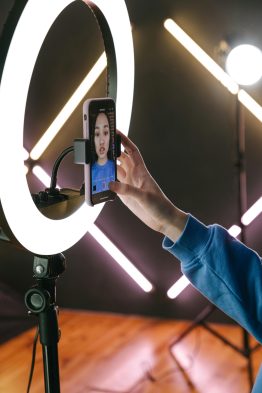
Image source: Pexels
The camera is always rolling, even when it’s just in your head, and you’ve internalized the gaze of thousands of hypothetical viewers judging your every move. You’ve become both the performer and the director of a show that never gets cancelled, never goes on hiatus, and never allows you the mercy of being a person instead of a product.
Remember when people used to go on vacation to relax, to disconnect, to actually experience a place? Now, every sunset, every meal, every candid laugh with friends is just raw material for next week’s content calendar. Life has become a mining operation where experiences are extracted, processed, and packaged for consumption.
That mental breakdown you had last Tuesday? That’s relatable content. That awkward family dinner? That’s a TikTok series. We’ve turned existence into a content farm, and we’re both the livestock and the ranchers. The most insidious part is how seamlessly it happened.
The tyranny of “staying on brand” has turned people into their own strictest editors, constantly self-censoring anything that doesn’t fit the narrative they’ve built. You can’t post that song you genuinely love because it doesn’t match your carefully curated Spotify aesthetic. You can’t share that opinion because it might alienate part of your follower base.
You can’t even have a hobby without calculating its brand potential, is this interest monetizable? Will it fit into my content strategy? People have become so committed to their digital personas that they’ve locked themselves into characters they can no longer escape. The fitness influencer who’s secretly burned out can’t admit they’re tired of the gym without destroying their entire platform.

Image source: Unsplash
The minimalist aesthetic blogger can’t show the clutter in their actual home. We’ve imprisoned ourselves in brands of our own making, and the really tragic part is that we did it voluntarily. We traded the messy, contradictory, beautifully chaotic experience of being human for the clean, coherent, marketable safety of being a brand.
Conclusion
So, here’s the uncomfortable truth: we’re all complicit. Every time we optimize a caption for engagement, every time we perform vulnerability for likes, we’re feeding the hive mind. We’ve internalized the algorithm’s logic so completely that we police ourselves, edit ourselves, brand ourselves into oblivion. Vecna would be proud.
Maybe the first step to breaking free is admitting we’re connected at all. That we’ve traded authenticity for approval, substance for aesthetics, becoming for performing. If we’re ever going to reclaim what it means to be a person instead of a product, we’ll have to do something terrifying, log off and remember what it feels like to exist without an audience.