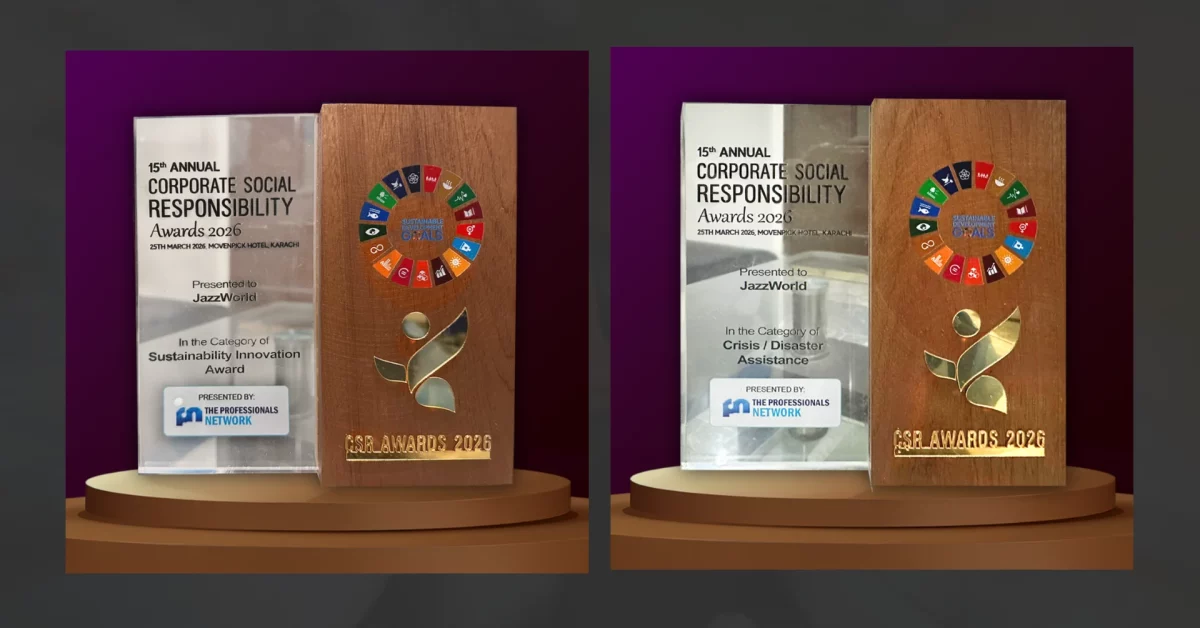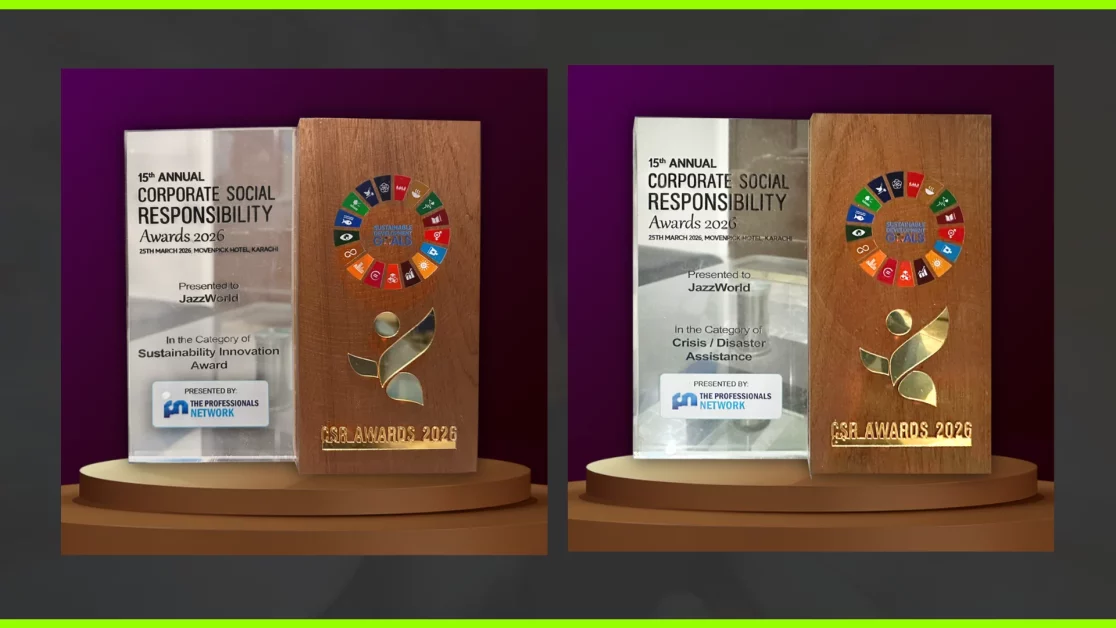

JazzWorld Bags Two Sustainability Awards for Driving Digital Inclusion and Climate Resilience
March 27, 2026
US jury verdicts against Meta and Google challenge Section 230 protections, potentially reshaping tech liability laws.
Recent jury verdicts in the United States against Meta and Google have intensified legal scrutiny over the liability protections long afforded to technology companies under Section 230 of the Communications Decency Act.
In California, a Los Angeles jury found both companies liable for harm caused to a young user, including mental health impacts linked to prolonged use of Instagram and YouTube, awarding $6 million in damages. In a separate case in New Mexico, a jury ordered Meta to pay $375 million, citing misleading safety assurances and failure to prevent exploitation risks for younger users.
The rulings mark a significant development in ongoing litigation against social media firms, as plaintiffs successfully argued that platform design and functionality, rather than user-generated content, contributed to harm. This approach bypasses traditional legal protections under Section 230, which generally shields platforms from liability related to third-party content.
Both companies have denied the allegations and indicated plans to appeal the verdicts. Legal experts suggest that the appeals process could lead to landmark rulings that redefine the scope of liability protections for digital platforms.
The outcomes may have broader implications across the technology sector, influencing future cases involving online platforms and user safety.