
Avanceon Wins $11.6 Million Gulf Region Contracts
June 20, 2026
Karandaaz, UN Launch Digital Payments Working Group
June 21, 2026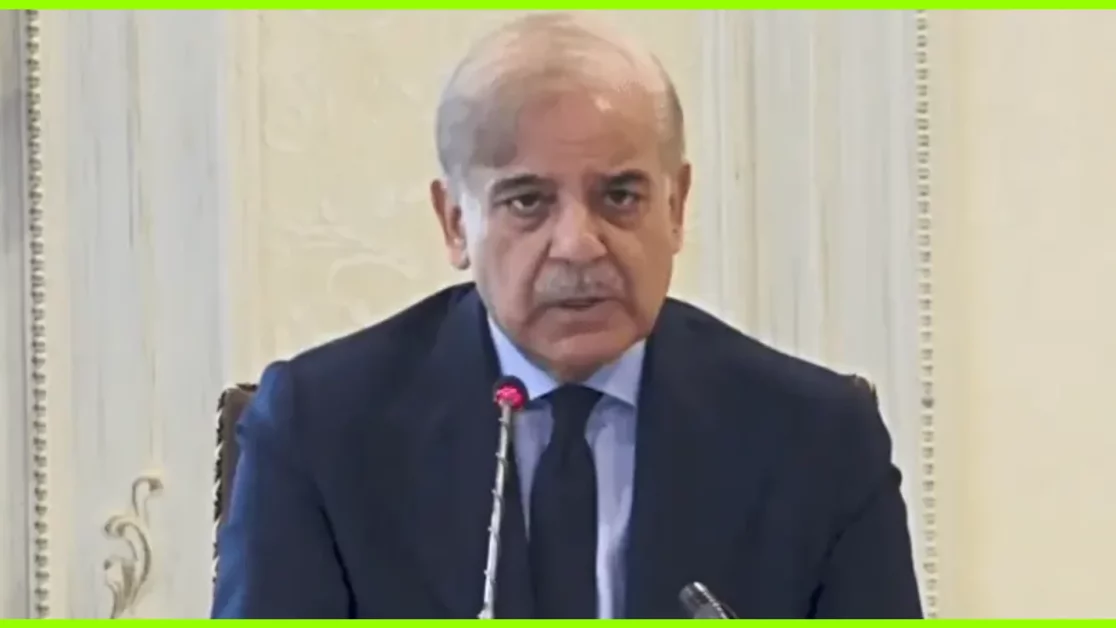
PM Shehbaz declares Pakistan’s mediation of the Islamabad MoU between the US and Iran a defining moment, promising a new era of Pakistan-Iran economic cooperation.
In what may prove to be the most consequential diplomatic event in Pakistan’s modern history, Prime Minister Shehbaz Sharif addressed the National Assembly on Friday to declare that Pakistan had played a central mediating role in brokering the Islamabad Memorandum of Understanding between the United States and Iran, formally ending their conflict.
He called it a moment of “extraordinary national honour” and direct evidence of Pakistan’s elevated global standing.
PM Sharif signed the MoU as mediator on Thursday, following electronic signatures by US President Donald Trump and Iranian President Masoud Pezeshkian, with the agreement entering into force with immediate effect.
Under its terms, Iran immediately reopened the strategically critical Strait of Hormuz, while the United States lifted its naval blockade, restoring a waterway through which roughly one-fifth of global energy supplies pass.
Addressing lawmakers, Sharif said Pakistan had been “granted a level of respect and stature that nations do not achieve in centuries,” and urged political unity, insisting national interest must take precedence over internal divisions. He called the agreement a collective national undertaking, crediting civilian leadership, military institutions, and coalition partners alike.
Sharif paid particular tribute to Field Marshal Syed Asim Munir, saying there were multiple moments during the final stretch of negotiations when talks appeared close to collapse, and that each time it was the Chief of Defence Forces who kept deliberations alive, having “sacrificed day and night to extinguish the flames of war.”
The diplomatic groundwork had been long in the making. Pakistan secured a ceasefire on April 8, 2026, and hosted the highest-level US-Iran talks since the two countries severed diplomatic ties in 1979, on April 12 and 13 in Islamabad.
Senior Pakistani leadership maintained active contact with both capitals throughout the process, with PM Sharif engaging directly with President Pezeshkian on de-escalation, and Field Marshal Munir reportedly in contact with the US side during critical windows.
Sharif also acknowledged the roles of Deputy Prime Minister and Foreign Minister Ishaq Dar, Interior Minister Mohsin Naqvi, and regional partners including Qatar, Saudi Arabia, Turkiye, and China. He praised President Donald Trump for facilitating negotiations that led to a permanent end to hostilities.
Iranian President Pezeshkian personally acknowledged Pakistan’s role during a 30-minute telephone call on Thursday evening, expressing gratitude and accepting an invitation to visit Islamabad at the earliest opportunity. Sharif also confirmed that Pakistan had been invited to attend funeral rites for Iran’s Supreme Leader Ali Khamenei in early July.
Looking ahead, Sharif said he expected Pakistan and Iran to enter a new phase of expanded economic cooperation, stronger bilateral ties, and broader regional prosperity, a prospect that would unlock significant trade, energy, and connectivity potential for both countries and the wider region.