
Pakistan to Distribute 700,000 Google Chromebooks
December 14, 2025Reddit Takes Australia to Court Over Teen Ban
December 14, 2025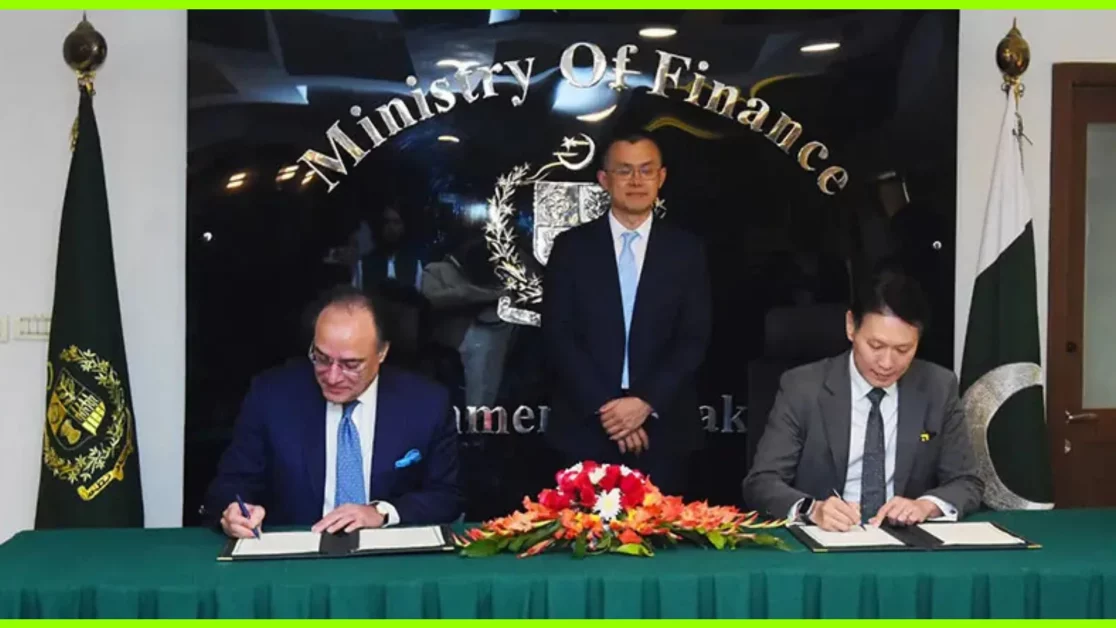
Pakistan has signed an MoU with Binance to explore tokenisation of up to $2 billion in sovereign and real-world assets, signalling a shift toward blockchain-enabled finance. Separately, regulators have issued NOCs to Binance and HTX, marking a structured step toward a regulated digital asset ecosystem.
Read more: Pakistan Charts Path for Regulated Digital Asset Future
Pakistan has entered into a MoU with global crypto exchange Binance to explore the tokenisation of up to $2 billion worth of sovereign and real-world assets, according to the Ministry of Finance. The proposed assets may include government bonds, treasury bills, and commodity reserves such as oil, gas, and metals, with the aim of enhancing liquidity, transparency, and international market access.
Finance Minister Muhammad Aurangzeb described the MoU as part of Pakistan’s broader reform trajectory and a foundation for a long-term partnership in digital finance. Binance founder Changpeng Zhao said the agreement sends a positive signal to global blockchain markets and marks the start of a phased tokenisation initiative.
Separately, the Pakistan Virtual Assets Regulatory Authority (PVARA) issued No Objections Certificates to Binance and HTX, permitting limited, regulated engagement in Pakistan’s digital asset market. The NOCs allow the firms to register with the Financial Monitoring Unit’s goAML system, engage with the SECP for local incorporation, and prepare full Virtual Asset Service Provider licence applications. Regulators clarified that the NOCs do not constitute operating licences.
PVARA Chairman Bilal Bin Saqib MBE termed the move the beginning of a regulated digital asset framework prioritising consumer protection, governance, and financial integrity, as Pakistan seeks to balance innovation with regulatory discipline.