
SBP Unveils Rs.4.5 trillion Borrowing Plan 2026
January 4, 2026
Planning Ministry Charts Data Roadmap To $1 Trillion
January 5, 2026
Introduction
So, is cryptocurrency legal in Pakistan? If you’ve been holding your breath since 2018 when the State Bank dropped that infamous crypto ban, you can finally exhale. Pakistan just pulled off one of the most dramatic regulatory U-turns in crypto history, and things are looking surprisingly legit now.
Quick answer: Current legal status of cryptocurrency in Pakistan
Yes, cryptocurrency is now officially legal in Pakistan as of July 2025. The government passed the Virtual Assets Act, establishing PVARA (Pakistan Virtual Asset Regulatory Authority) to oversee everything. You can legally buy, sell, and hold crypto through licensed exchanges, though you still can’t settle your sushi bills with crypto.
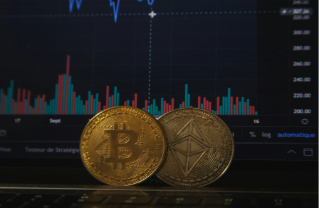
Image Source: Unsplash
Pakistan’s dramatic crypto policy shift
From complete ban to full regulation (2018-2025 timeline)
Back in 2018, the State Bank of Pakistan essentially said “absolutely not” to cryptocurrency, banning banks from facilitating crypto transactions. Fast forward to 2025, and the government completely flipped the script with comprehensive regulation instead of prohibition.
What changed in July 2025?
July 2025 marked Pakistan’s official entry into the regulated crypto world. The Virtual Assets Act was passed, establishing PVARA as the country’s crypto watchdog. Major exchanges like Binance and HTX rushed to get licensed.
Why Pakistan reversed its crypto stance
Let’s be real: Pakistan needed the revenue and couldn’t ignore the massive underground crypto market anymore. The government realized regulation beats prohibition, especially seeing other countries embrace crypto while Pakistan stayed on the sidelines.
Is cryptocurrency legal in Pakistan now?
What the Virtual Assets Act 2025 means for traders
The Virtual Assets Act 2025 defines what virtual assets are, who can trade them, and how exchanges must operate. The Act requires all platforms to register with PVARA, follow strict KYC protocols, and maintain proper security standards.
Difference between “legal” and “legal tender” in Pakistan
Here’s where people get confused: cryptocurrency legal Pakistan 2026 doesn’t mean you can pay for everything with Bitcoin. Crypto is legal as an asset (like stocks or gold), but it’s not legal tender like the Pakistani rupee.
Current regulatory framework explained
Pakistan crypto regulations now operate under a clear hierarchy. PVARA licenses exchanges and monitors compliance, the Federal Board of Revenue handles taxation, while the State Bank maintains its authority over actual currency.
Pakistan Virtual Asset Regulatory Authority (PVARA)
Role and powers of PVARA
PVARA Pakistan crypto oversight covers everything from licensing exchanges to investigating fraud. They can impose fines, revoke licenses, and basically act as the crypto police protecting investors.
Licensed exchanges in Pakistan (Binance, HTX)
Binance and HTX were among the first to secure PVARA licenses, giving Pakistani traders access to major platforms without legal worries. If an exchange doesn’t have a PVARA license in 2026, avoid it.
Image Source: Chainwire
How PVARA protects investors
PVARA mandates that exchanges maintain separate bank accounts for user funds. They require regular financial reporting, security audits, and insurance for certain losses.
Which cryptocurrencies are legal in Pakistan?
Bitcoin, Ethereum, and major cryptocurrencies
Buy Bitcoin legally Pakistan along with Ethereum and most major cryptocurrencies. PVARA maintains a list of approved digital assets that licensed exchanges can offer.
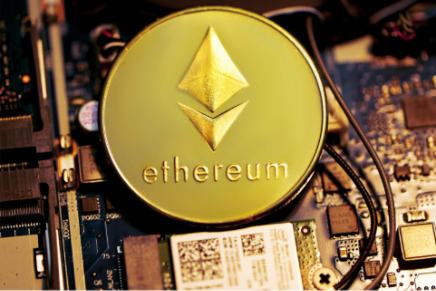
Image Source: Unsplash
Restrictions on using crypto for payments
You can’t use crypto to buy goods and services in Pakistan. The rupee maintains its monopoly on being actual money. Virtual Assets Act Pakistan keeps crypto firmly in the investment asset category.
Banned crypto activities
Privacy coins like Monero are banned. Any crypto-related Ponzi schemes, pump-and-dump operations, or using crypto for money laundering will land you in serious trouble.
How to legally buy cryptocurrency in Pakistan (2026)
Using licensed exchanges with PVARA approval
Stick to PVARA-licensed exchanges if you want to stay legal. These platforms offer PKR deposit options, making it easier to onboard. Check PVARA’s official website for the current list.
Requirements for Pakistani crypto investors
You need to be at least 18 years old, have a valid CNIC, and complete KYC verification. Most exchanges require proof of address and a bank account.
KYC and verification process
KYC means uploading your CNIC, taking a selfie, and proving you’re actually you. The process usually takes a few hours to a few days.
Safe ways to store your crypto
Don’t leave everything on exchanges. Hardware wallets like Ledger or Trezor are your safest bet for long-term holdings. Write down your seed phrases and store them securely.
Cryptocurrency taxation in Pakistan
15% capital gains tax on crypto profits
Crypto tax Pakistan hits your profits at 15% capital gains tax. If you bought Bitcoin at 50 lakh and sold at 60 lakh, you owe 15% on that 10 lakh profit.
Income tax on mining and staking
Mining and staking rewards count as income, not capital gains. They’re taxed at your regular income tax rate, which could be higher than 15%.
How to report crypto income to FBR
You’ll need to declare crypto holdings and transactions in your annual tax returns. FBR has specific forms for virtual asset income. Keep detailed records of all trades.
Tax filing deadlines for crypto traders
Tax filing deadlines follow the regular FBR schedule, typically September 30th for salaried individuals. Missing deadlines means penalties and interest.
Pakistan Crypto Council and government initiatives
Strategic Bitcoin Reserve announcement
Pakistan Crypto Council announced plans for a strategic Bitcoin reserve, joining other nations exploring crypto as part of national reserves.
Crypto mining with surplus electricity
Pakistan’s pushing crypto mining operations using surplus electricity, turning excess power into economic value. Several mining farms have already set up operations with government support.
Blockchain partnerships with global firms
The government’s signing partnerships with international blockchain companies to develop infrastructure and position Pakistan as a regional crypto hub.
State Bank of Pakistan’s position on cryptocurrency
SBP’s evolving stance (2018 vs 2025)
SBP cryptocurrency policy went from “absolutely not” to “okay, but with rules.” By 2025, SBP acknowledged crypto’s inevitability while maintaining control over the actual rupee.
Central Bank Digital Currency (CBDC) plans
SBP is developing a Central Bank Digital Currency, basically a digital rupee. It would combine crypto technology with central bank control.
Digital rupee pilot program
The digital rupee pilot program started testing in late 2025 with select banks. It’s not crypto in the decentralized sense, but it shows Pakistan’s embracing digital finance.
Legal protections for crypto investors in Pakistan
Consumer protection under PVARA
PVARA provides dispute resolution mechanisms and requires transparent fee structures. If an exchange treats you unfairly, you can file complaints with PVARA.
Anti-money laundering (AML) compliance
Licensed exchanges must follow strict AML protocols, reporting suspicious transactions. This protects the ecosystem from criminal activity.
What happens if an exchange fails?
If a licensed exchange fails, PVARA’s oversight provides some recourse. Segregated user funds and insurance requirements offer protection, though recovery isn’t guaranteed.
Risks and challenges of crypto trading in Pakistan
Regulatory uncertainty still exists
Despite the 2025 framework, regulations are still evolving. Rules can change, and gray areas remain.
Volatility and market risks
Crypto prices swing wildly. Legalization doesn’t eliminate market risk. Never invest more than you can afford to lose.
Scams and fraudulent platforms to avoid
Scammers didn’t disappear with regulation. Fake exchanges claiming PVARA licenses and Ponzi schemes promising guaranteed returns are real threats.
Bank restrictions on crypto transactions
Some Pakistani banks remain hesitant about crypto-related transactions despite legalization. You might face questions when moving money to exchanges.
Future of cryptocurrency in Pakistan
Pakistan’s crypto future looks cautiously optimistic. The regulatory framework provides foundation for growth while preventing chaos. Whether Pakistan becomes a regional crypto hub depends on execution and how well PVARA balances innovation with protection.
Conclusion
Is cryptocurrency legal in Pakistan? Absolutely yes as of 2026, with proper regulations through PVARA and the Virtual Assets Act. You can legally trade through licensed exchanges, though you’ll pay 15% capital gains tax and follow KYC requirements. Pakistan went from outright prohibition to structured regulation, creating opportunities while imposing responsibilities.