
NGC to Launch New Grid Operating Model in July
March 30, 2026
Introduction: There Is a Difference Between Knowing and Understanding
We are the most opinionated generation that has ever lived and yet we remain the least equipped. How did that happen? We are, by every conceivable measure, the most informed generation in human history. We have the sum total of human knowledge living in our pockets, available at the tap of a finger, twenty-four hours a day.
We know about wars happening on continents we will never visit. We have opinions on political leaders of countries we cannot locate on a map. We are across every scandal, every atrocity, every cultural moment, often within minutes of it unfolding. And yet. Something is deeply, quietly off.
Because there is a fundamental difference between being exposed to information and actually understanding it. Between scrolling through a tragedy and genuinely reckoning with it. Between sharing an infographic and having done the slow, unglamorous work of actually thinking something through. We have confused volume with depth.
We have mistaken exposure for education. And we have convinced ourselves, quite earnestly, that being chronically online is the same thing as being aware. It is not. Not even close. What the internet produces, at industrial scale, is the sensation of being informed. The feeling of being plugged in, switched on, morally engaged.
It is remarkably convincing. The notifications arrive, the threads unfold, the takes multiply, and somewhere in that noise, we have stopped asking ourselves a very simple and very necessary question: do I actually understand this, or have I simply encountered it? There is no shame in not knowing everything.

Image source: Medium
The shame is in mistaking the scroll for the study. In performing awareness as a personality trait while the actual substance of understanding quietly goes missing. We are opinionated, chronically online, and in many ways, profoundly uninformed, and the tragedy is that we are the last ones to notice.
On The Illusion of Being “Informed”
Reposting is not real research. Let’s start there. There is a particular kind of confidence that the internet breeds, and it is almost entirely unearned. The kind where a person watches a three-minute video, shares it to their story, and arrives at dinner with the conviction of someone who has spent years studying the subject.
Where an infographic with six bullet points and a pastel background becomes the foundation of an entire worldview. Where the algorithm, which is curating your reality based on your existing biases and watch history, gets mistaken for a balanced and comprehensive education. This is the illusion of being informed. And it is everywhere.
The information itself is not always the problem. Some of it is accurate. Some of it is even important. The problem is what we do with it, or more precisely, what we don’t do. We consume without questioning. We share without verifying. We form opinions at a speed that genuine understanding has never and will never move at.
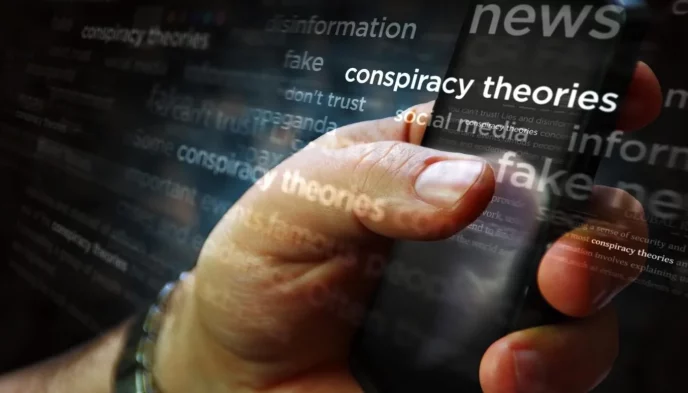
Image source: CIDRAP
Real comprehension is slow, uncomfortable and full of uncertainty. It requires sitting with complexity, tolerating contradiction and occasionally arriving at the conclusion that you simply do not know enough yet to have a firm opinion. The internet has made that last part feel almost unbearable. So, we skip it entirely.
Awareness Without Action Is Just Aesthetics
In the summer of 2020, millions of people posted a black square to their Instagram grids, tagged it Blackout Tuesday, and considered their work largely done. No sustained organizing. No difficult conversations. No meaningful redistribution of resources or attention. Just a square. Black. Clean. Aesthetic. Safely performative and utterly consequence-free.
That moment was not an anomaly. It was a blueprint. Social media has engineered a version of activism that is specifically designed to cost you nothing. A repost, a story share, a donate button tapped between brunch and a Netflix queue. It has made moral engagement feel like a personality feature rather than a practice.
Something you display, not something you do. And because the audience responds, with likes, with validation, with the warm sensation of being perceived as one of the good ones, the performance gets repeated, refined and eventually mistaken for the real thing. The causes are real. The suffering being referenced is real.
But somewhere between the tragedy and the grid post, something essential gets lost. The actual human beings at the center of every crisis reduced to content. To an opportunity for a caption. To a moment of personal branding dressed up as compassion. Awareness that costs you nothing changes nothing.
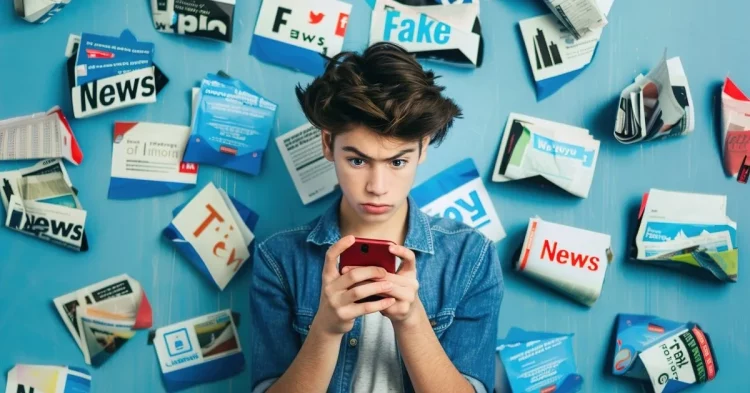
Image source: National Education Association
You Are Not More Compassionate. You Are More Anxious.
There is a version of this story we tell ourselves, that consuming the news, following the conflicts, staying across every unfolding crisis makes us more empathetic human beings. More globally conscious. More humane. It is a comforting narrative. It is also, largely, not true.
What the relentless consumption of tragedy actually produces is not empathy. Empathy requires presence, specificity, a genuine encounter with another person’s humanity. What the doomscroll produces is ambient dread. A constant, low-grade hum of helplessness that masquerades as compassion because it feels so deeply unpleasant.
We confuse the discomfort of witnessing with the virtue of caring. The research has been saying this for years. Repeated exposure to distressing content does not deepen our capacity for empathy, it erodes it. The psychologists call it compassion fatigue. The rest of us just call it Tuesday.
You finish the scroll feeling vaguely terrible about the state of the world, slightly guilty for existing comfortably within it, and entirely paralyzed to do anything meaningful about either. That is not awareness. That is not compassion. That is just a nervous system in a state of permanent, low-level distress, dressed up as being a good person.
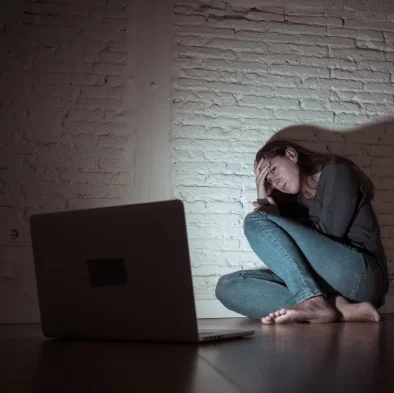
Image source: Keith Miller Counseling
Your Feed Agreed with You. That Is Not the Whole World.
Here is something the algorithm will never tell you: it is not showing you the world. It is showing you a version of the world that has been carefully, systematically tailored to confirm what you already believe, amplify what already agitates you, and keep you scrolling for as long as mechanically possible.
It is not a window. It is a mirror. And we have been staring into it, utterly convinced we are looking outside. The echo chamber is not a new concept. But social media industrialized it beyond anything previously imaginable.
It took the very human tendency to seek out like-minded people and turbocharged it into an airtight, self-reinforcing feedback loop where dissenting information struggles to penetrate and nuance goes to die. Your feed radicalizes quietly. Not towards extremism necessarily, but towards certainty.
Towards the slow, comfortable conviction that your particular worldview is not just one perspective among many, but simply the obvious, correct, self-evident truth. And the most insidious part is that it feels like growth. It feels like engagement. It feels like you are plugged in and paying attention. You are not. You are just very comfortably trapped inside your own reflection.
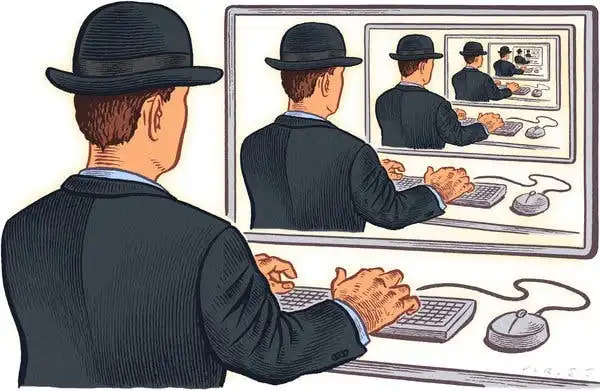
Image source: The New York Times / Christophe Vorlet
Conclusion
The internet did not make us more aware. It made us more reactive. More anxious. More certain of things we have barely scratched the surface of, and more performatively vocal about causes we will have forgotten by next week’s news cycle. It handed us the illusion of engagement and we accepted it, gratefully, in place of the real thing.
Being genuinely informed is slow, uncomfortable and deeply unglamorous work. It does not fit in a story. It does not perform well on a grid. It requires sitting with complexity, tolerating the discomfort of not having an immediate take, and occasionally admitting that you simply do not know enough yet.
Log off. Read something long. Follow a thought past the point where it stops being convenient. The world does not need more people who are chronically online and calling it awareness. It needs people who actually understand what they claim to care about.