

PTCL Injects Rs15 Billion to Fuel U Bank
January 2, 2026
Pakistan Launches First Skills Impact Bond Ever
January 2, 2026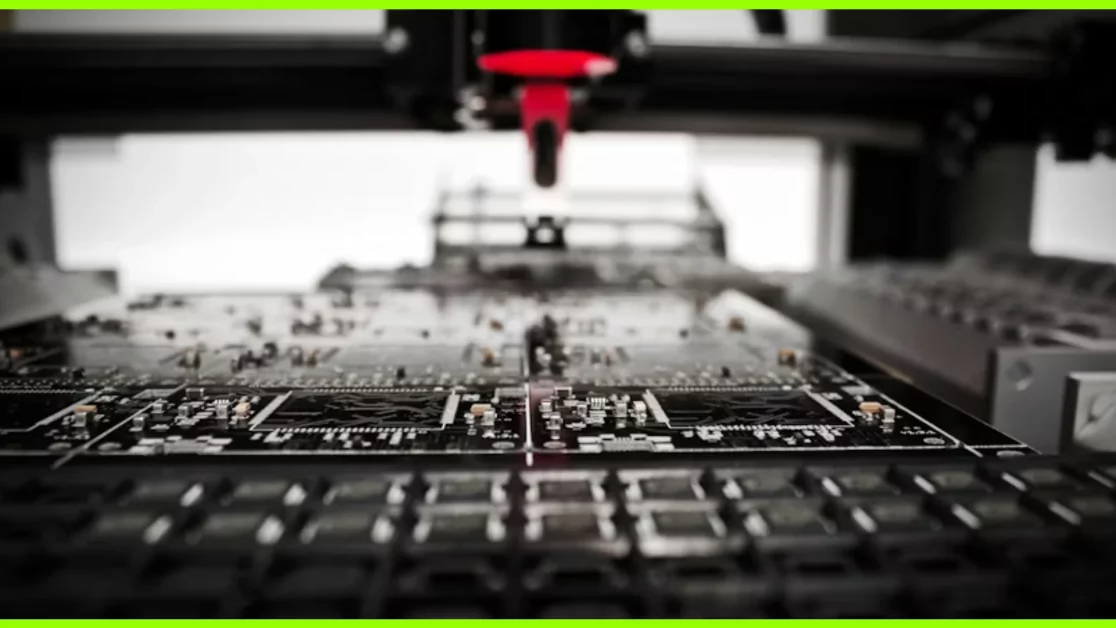
Government plans promise growth, but business leaders say policy potholes still need fixing before exports can truly hit top gear.
Read more: US Approves Nvidia H20 Chip Exports to China
The government has unveiled a broad set of measures aimed at accelerating industrial development in Faisalabad, including plans to establish a chip-manufacturing facility and construct a dedicated expo centre.
Addressing members of the Faisalabad Chamber of Commerce and Industry (FCCI), the federal minister said the proposed chip unit would strengthen the existing mobile phone assembly ecosystem operating in Faisalabad as well as Karachi and Lahore. He added that financing for the planned expo centre could be arranged through the Export Development Fund (EDF).
The minister said swift action is being taken to speed up development work at the M3 and Allama Iqbal industrial estates. Planned initiatives include building a community centre, completing boundary walls, and setting up a monitoring cell to facilitate foreign professionals working in these zones. He said arrangements are also being made to introduce banking and commercial services within the estates, with similar steps planned across Punjab.
He further said the government has launched a cotton revival programme focused on research-driven development of high-yield, disease-resistant seed varieties. Infrastructure shortcomings at Faisalabad’s Small Industrial Estate are being addressed, while interest-free financing is being extended to businesses under the Asan Karobar Scheme.
The minister also announced plans to establish women training centres in Gujrat, Layyah, and Sahiwal during 2026, with Faisalabad included in a subsequent phase. He added that Faisalabad and Kazakhstan’s Shymkent would be designated twin cities to promote industrial collaboration.
Speaking on behalf of the business community, FCCI President Farooq Yousaf Sheikh said development momentum at the industrial estates has improved but raised concerns over growing friction between state institutions and the private sector. He said excessive regulatory intervention, rising energy costs, delayed tax refunds, and logistical hurdles have strained exporters. “This has prompted a liquidity crunch among the exporters,” he said, adding that exports could reach $100 billion if stable policies and a supportive business climate are ensured.