
SBP Launches Cyber Shield to Strengthen Pakistan Banking Security
February 21, 2026
FBR Expands POS Mandate Across Sectors
February 22, 2026
The Changing Face of Retail Credit in Pakistan
A customer walks into a store, checks the price of a smartphone, and decides to leave. The product fits their needs, but paying the full amount at once feels difficult. Situations like this are common across Pakistan, particularly for higher-value goods such as electronics, appliances, and lifestyle products.
Now imagine the same customer seeing an option at checkout that allows payment in structured installments with quick digital approval. The purchase becomes manageable, and the retailer completes the sale.
This shift explains why Buy Now Pay Later is increasingly entering Pakistan’s digital commerce conversation. While financial account ownership has improved over the past decade, access to formal consumer credit remains limited relative to population size. Credit card usage is still low compared to many regional markets, and traditional lending often requires documentation and banking history that many individuals may not easily provide. This gap has created space for BNPL Pakistan models to emerge alongside merchant financing and trade credit systems.
Image Source: Shutterstock
What Is Buy Now Pay Later and Why Is It Growing?
Buy Now Pay Later allows customers to purchase goods immediately and repay the amount in structured installments over a short period. The provider pays the merchant upfront and collects repayments from the customer according to a predefined schedule.
Unlike a credit card, BNPL is typically transaction-specific. Approval is linked to a particular purchase rather than an ongoing credit line.
How BNPL Compares to Credit Cards and Traditional Loans
Traditional credit cards in Pakistan generally require income verification, credit history assessment, and approval through a banking institution. Borrowing costs on revolving balances are typically high relative to short-term installment plans.
BNPL platforms use digital onboarding processes, often relying on CNIC verification and transaction-based risk evaluation. Repayment periods are shorter and fixed. Instead of revolving debt, customers commit to a defined repayment schedule tied to a single purchase.
Although the process feels simpler, BNPL remains a credit obligation that requires responsible repayment.
The Technology Powering Modern BNPL Platforms
BNPL providers use digital underwriting systems to assess repayment capacity. Rather than relying solely on traditional credit bureau data, they may consider customer-provided information and transaction behavior within permitted regulatory boundaries.
Pakistan’s credit reporting infrastructure continues to evolve. Limited cross-platform credit visibility means providers must manage exposure carefully and apply disciplined risk controls.
Interest-Free Installments or Service-Based Models?
Many installment payment Pakistan structures operate on a merchant-funded model, where the retailer pays a service fee to the BNPL provider. The customer repays the original purchase amount in equal installments if payments are made on time.
For longer tenures, service charges or markup-based pricing structures may apply depending on the provider’s framework. Clear disclosure of repayment terms remains essential to ensure consumer protection.
Shariah-Compliant Installments
In Pakistan’s Islamic finance environment, some installment-based models are structured using Murabaha or Ijarah principles. Murabaha involves a cost-plus resale structure, while Ijarah may operate as a lease-to-own arrangement.
These models focus on transparency in pricing and contractual clarity, aligning installment-based financing with Islamic financial guidelines.

Image Source: Bank Alfalah
Inside Pakistan’s BNPL Landscape
The BNPL ecosystem in Pakistan is developing alongside digital payments and e-commerce growth. While still evolving compared to more mature markets, adoption is gradually expanding in urban retail sectors.
Is the Market Ready? Growth and Adoption Signals
Consolidated national-level data on BNPL transactions remains limited in public reporting. However, increasing fintech activity, expanding merchant partnerships, and rising digital payment usage suggest growing interest in installment-based retail credit.
Future expansion will likely depend on regulatory clarity, credit reporting improvements, and continued consumer trust in digital financial services.
Who Is Building Pakistan’s BNPL Ecosystem?
Different companies operate under different credit models, and understanding these distinctions is important.
PostEx: Merchant Financing Through Embedded Logistics
PostEx primarily provides financing to e-commerce merchants, particularly those operating on cash-on-delivery models. It advances funds to sellers before delivery payments are collected, helping manage liquidity and working capital.
Revenue is generated through financing and logistics-related service structures. Risk assessment focuses on merchant performance and delivery reliability rather than consumer installment behavior. This model supports business cash flow rather than consumer credit at checkout.
QisstPay: Consumer-Focused Installment Credit
QisstPay operates as a consumer-facing BNPL platform. It allows customers to split retail purchases into structured installments while merchants receive payment upfront.
Approval is digital and transaction-based, with repayment schedules clearly defined. The company operates under the applicable regulatory framework for non-banking financial institutions. Integration with checkout systems enables installment selection at the point of sale.
Retailo: Trade Credit for Small Retailers
Retailo operates in the B2B segment, offering trade credit and inventory financing to small kiryana stores and retailers. Instead of financing consumer purchases, Retailo provides structured payment terms that support working capital within supply chains.
The Retailo credit model addresses business credit constraints rather than individual installment financing.
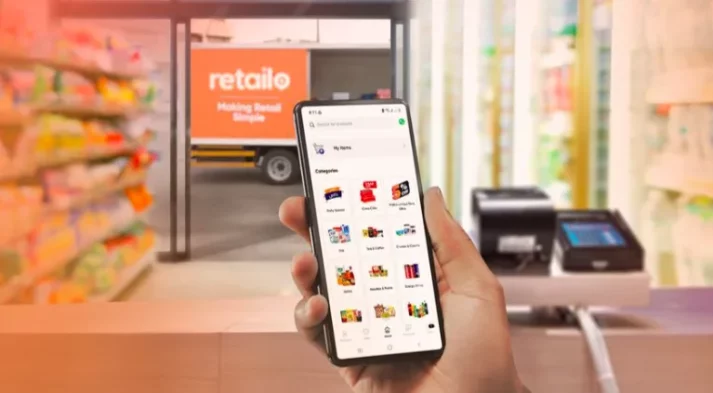
Image Source: Wamda
B2C vs B2B: Understanding the Difference
Consumer BNPL platforms serve individual buyers seeking installment flexibility. Merchant financing solutions support e-commerce sellers managing liquidity. Trade credit platforms serve small retailers purchasing inventory.
Each of these plays a distinct role within Pakistan’s broader retail credit system.
Regulation and Oversight
Pakistan does not currently have a standalone regulatory framework dedicated exclusively to BNPL. Providers operate under existing financial services laws.
Entities extending credit directly typically fall under the Securities and Exchange Commission of Pakistan’s Non-Banking Finance Company framework or operate through regulated banking partnerships.
Consumer protection standards require transparent disclosure of repayment schedules, service fees, and collection practices. Licensing involves compliance with capital requirements, governance standards, and reporting obligations. Anti-money laundering and KYC procedures remain mandatory for regulated financial entities.
As digital lending expands, developments in data protection and credit reporting are likely to influence how BNPL regulations in Pakistan evolve.
Image Source: Shutterstock
Why Retailers Are Considering BNPL
Installment options can influence purchasing decisions, particularly for higher-value products. When customers can divide payments into manageable portions, affordability perception shifts.
Merchants typically receive payment upfront from the BNPL provider, supporting cash flow stability. Offering installment options can also enhance competitiveness in markets where flexible payment models are becoming more common.
Retailers must still evaluate service fee structures carefully and ensure that installment integration supports long-term margin sustainability.
Risks and Structural Challenges
Credit risk remains a central concern, especially in an economy where informal income is widespread. Limited cross-platform credit bureau integration increases exposure risk.
Customer default and recovery mechanisms require structured processes. Legal recovery for small-value debts can be time-consuming, placing emphasis on preventive risk assessment and responsible underwriting.
Infrastructure limitations outside major urban centers may influence expansion. Financial literacy remains important, as customers must clearly understand repayment commitments before agreeing to installment financing.
How Retailers Can Adopt BNPL Strategically
Retailers interested in Buy Now Pay Later should begin by evaluating available providers and reviewing contractual terms carefully. Documentation typically includes business registration and compliance verification.
Technical integration with POS systems or e-commerce platforms enables installment selection at checkout. Staff training ensures customers understand repayment schedules and any applicable service charges.
A practical cost-benefit assessment should compare service fees with potential improvements in transaction completion and customer retention.
What Comes Next for BNPL in Pakistan?
Future developments may include stronger credit data integration, improved digital identity systems, and broader adoption across sectors such as healthcare and education.
Market consolidation may occur as competition intensifies and regulatory clarity evolves. The long-term sustainability of BNPL Pakistan will depend on responsible lending practices, transparent pricing, and effective oversight.
Image Source: Pixabay
Final Thoughts: A Gradual Shift in Retail Credit
Buy Now Pay Later in Pakistan reflects a gradual shift in how retail credit is accessed and delivered. Consumer installment platforms, merchant financing providers, and trade credit systems operate under different structures but collectively expand payment flexibility.
Sustainable growth will require regulatory maturity, disciplined risk management, and informed consumers. Installment-based payments are now part of Pakistan’s digital commerce landscape, and their evolution will shape the future of retail credit in the country.