

OpenAI Fires Back with Apple Trade-Secret Lawsuit
November 29, 2026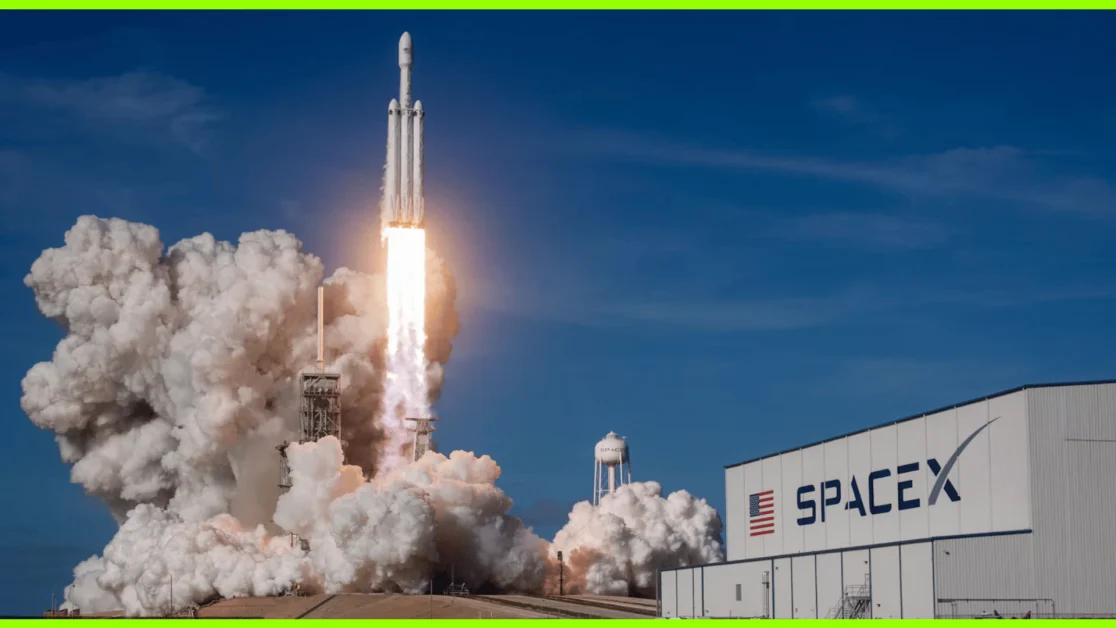
The US regulator FCC cleared SpaceX on Wednesday to launch up to one million Starmind satellites as AI data centres in space, but astronomers warn that the plan could drastically alter the night sky.
The race to build data centres in space has just taken a giant leap. The US Federal Communications Commission (FCC) on Wednesday authorised Elon Musk’s SpaceX to launch up to one million satellites for its Starmind constellation, Dawn reported, citing AFP.
The FCC said the satellites would process massive amounts of data for use back on Earth. The authorisation runs until 2040. FCC Chairman Brendan Carr said, “America is leading the world into the era of super intelligence,” and described such data centres as essential to sustaining that leadership. He announced the approval on X as a historic first.
SpaceX is not alone. Google is pursuing Project Suncatcher, Blue Origin has applied to the FCC for Project Sunrise, and startups such as Starcloud are also in the race. SpaceX’s edge is its own rockets, which have completed hundreds of missions.
Musk has promised a first satellite launch in the fourth quarter of 2027, with a ramp-up in 2028, and the company has struck a deal with Nvidia for its Vera Rubin processors.
The design is ambitious. Starmind’s satellites will talk to those already in orbit as part of SpaceX’s Starlink network, which will then relay data to Earth.
A satellite in sun-synchronous orbit can capture solar energy continuously, with eight times the efficiency of a ground-based equivalent, the report says. But experts warn of unresolved obstacles, including radiation, extreme temperatures and damage from space debris and micrometeorites.
The sharpest criticism came from astronomers. The American Astronomical Society said it was “disheartened and dismayed” by the decision, warning that larger, brighter and more numerous objects would stay visible for longer periods in the night sky and undermine decades of federal investment in astronomical facilities.
Earthjustice attorney Jan Hasselman also warned that expanding satellites in orbit directly affects everyday life and the future of the planet.
The approval comes with deadlines. Under the licence terms, SpaceX must begin deployment by November 2033, have 100,000 satellites operating by November 2035 and 500,000 by November 2038, with the full constellation due by November 2040. The FCC also deferred SpaceX’s request for graveyard orbits above 600km.
SpaceX made its stock market debut in June, raising about $85.7 billion. With regulatory approval secured, the real test now moves from the paperwork to physics: can a million satellites work in orbit without costing the night sky?