
Pakistan Opens Virtual Asset Licensing Portal as New Regulatory Framework Takes Shape
August 22, 2026
PMIC Wins Pakistan Banking Award for Financial Inclusion Work
August 23, 2026
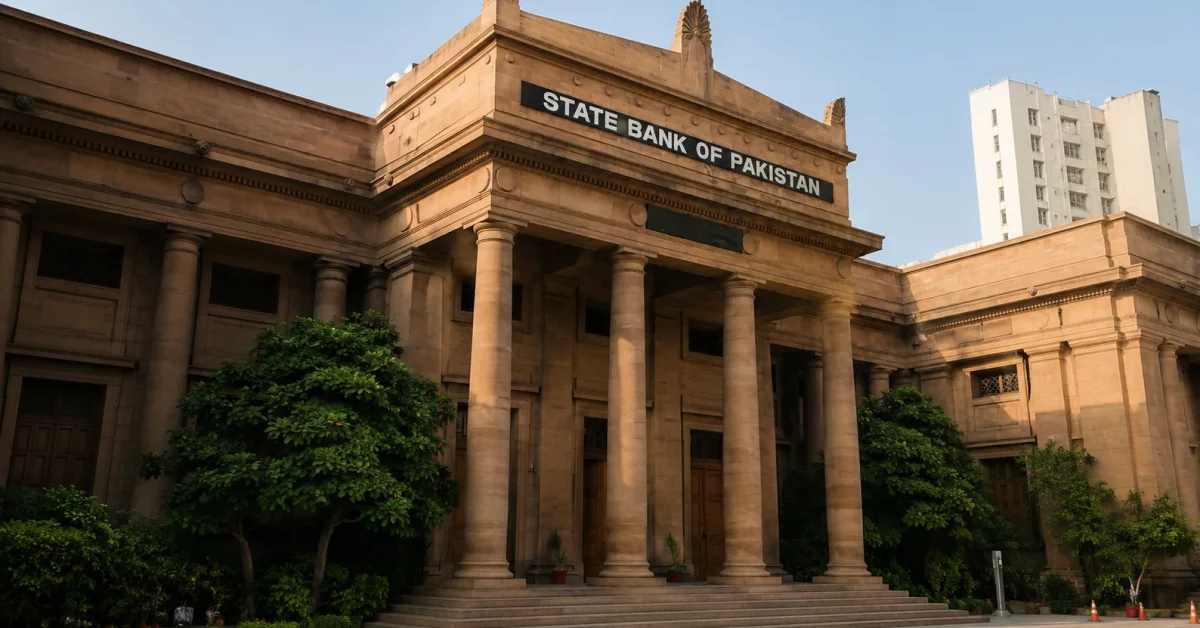
Pakistan is seeking a proposed $10 billion Exchange Stabilisation Support Facility from the United States to strengthen confidence in its currency and foreign exchange position. Finance Minister Muhammad Aurangzeb said talks with the US Treasury and Export-Import Bank are underway, with feedback expected by the end of September.
Pakistan has approached the United States for a proposed $10 billion Exchange Stabilisation Support Facility, with the government positioning the request as part of a wider effort to shore up foreign exchange stability and restore the country’s standing in international financial markets.
Finance Minister Muhammad Aurangzeb confirmed that Pakistan has formally taken the proposal to the US Treasury Department, with talks now in progress. He noted, however, that negotiations remain at an early stage and no final agreement has been reached.
Unlike conventional external borrowing, the proposed facility is not being structured as a standard loan or credit line. The government’s objective is to strengthen confidence in Pakistan’s foreign exchange position and create conditions that would allow the country to return more effectively to international capital markets.
Aurangzeb said improving market confidence is central to Pakistan’s longer-term financing strategy. Rather than repeatedly depending on short-term bilateral rollovers, the government wants to gradually shift towards financing with longer maturities and greater access to commercial markets.
The discussions with Washington extend beyond the proposed stabilisation facility. Pakistan is also engaging with the US Export-Import Bank and the US Treasury on potential avenues of financial support. Aurangzeb said Islamabad expects to receive feedback from the ongoing discussions by the end of September.
At the same time, the government is pursuing an upgrade in Pakistan’s sovereign credit rating. Talks with international rating agencies are underway, with Islamabad aiming for a minimum B+ rating. Achieving that benchmark would strengthen Pakistan’s prospects of raising funds internationally on more favourable terms.
A higher rating could open the door to longer-term instruments with maturities of five, seven and 10 years, giving the government greater flexibility in managing its external financing needs and reducing its dependence on short-duration arrangements.
Pakistan is already laying the groundwork for a return to international debt markets. The country has appointed three arrangers for the process and has previous experience raising funds through Eurobonds, Islamic Sukuk and a dollar-settled rupee-linked bond.
The proposed US facility is therefore being pursued as one component of a much larger financial strategy. By improving foreign exchange resilience, securing longer-term financing and strengthening its sovereign credit profile, Pakistan is seeking to rebuild investor confidence and establish a more sustainable path towards international market-based borrowing.