
UAE Agrees To Rollover $2bn Loan For Two Months
February 15, 2026
PDA, UN University Launch GovAI Initiative
February 16, 2026
Introduction: When Everything Arrives at Once, Nothing Arrives at All
Do you remember what it felt like to wait for something? Not the anxious, doom-scrolling kind of waiting we do now, refreshing feeds, chasing notifications, spiraling through infinite content while time dissolves into pixels. I mean the old kind of waiting. The kind that stretched out before you like a bridge between ordinary life and something extraordinary.
The kind that made your chest tight with anticipation, that turned Fridays into thresholds and release dates into pilgrimages. That sensation, that palpable electricity of approaching monumentality, has been erased from our collective experience. We’ve entered an era where nothing feels like an event anymore because everything is positioned as one.
Every product launch is “revolutionary.” Every streaming premiere is “the most anticipated.” Every cultural moment is “breaking the internet.” And yet, when the dust settles, when the algorithm moves on to the next manufactured frenzy, we’re left with a peculiar emptiness. A sense that we’ve been promised a feast and served vapor.
We no longer build toward moments; we drown in them. There are no communal countdowns, no shared experiences of scarcity that make eventual consumption feel sacred. Instead, we’ve lost something vital: the ability to be genuinely excited about anything at all. This isn’t nostalgia for some imagined golden age.
This is an examination of what happens when convenience cannibalizes meaning. When the distance between desire and fulfillment shrinks to nothing, desire itself begins to atrophy. When every Friday brings seventeen new shows, forty-three new albums, endless new content demanding our attention, our capacity for genuine investment withers.
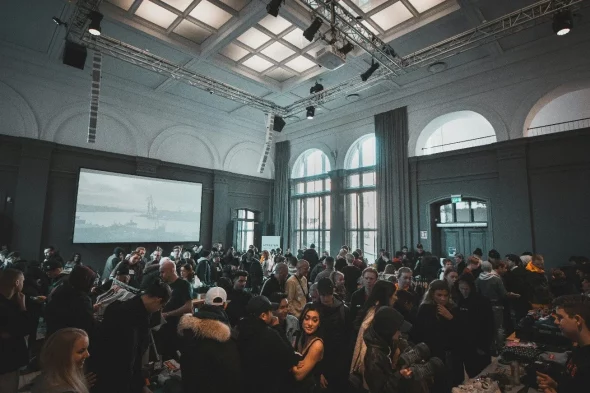
Image source: Unsplash
Abundance Breeds Indifference
We’re not building toward anything anymore. We’re just perpetually present in an ocean of nowness, where nothing rises above the waterline long enough to be called an event. Where nothing feels special because the very concept of “special” has been obliterated by abundance.
There’s a perverse psychological truth we’ve stumbled into: the more we have access to, the less we care about any of it. Scarcity creates value, not just economically but emotionally. When albums arrived once every two years, when movies had theatrical windows, when television episodes aired once and vanished, consumption carried weight.
You showed up. You paid attention. You remembered. Now, with entire seasons dropping simultaneously, with every film streaming within weeks, with millions of songs accessible instantly, nothing demands our presence. We’ve become cultural window shoppers, endlessly browsing but never buying in.
Our indifference manifests as cultural amnesia. We’re all watching different things at different times, and even when we converge on the same content, the conversation is fragmented, diluted by endless other options. We’ve traded shared experience for personalized curation, and lost the ability to care collectively about anything.
The streaming era promised liberation from schedules and scarcity. What it delivered was the suffocation of choice and the poverty of commitment. When you can have everything, you cherish nothing. Discovery is automated, serendipity is engineered, and the thrill of finding something special dies.
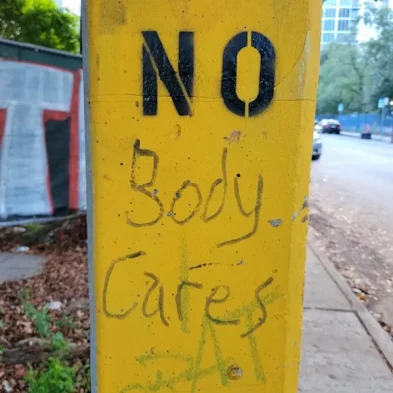
Image source: Unsplash
The Death of Anticipation in the Age of Instant Access
Anticipation was once the engine of cultural enthusiasm. The weeks between announcement and premiere, the months between album singles, the wait for the next season, these intervals weren’t empty time. They were incubation periods where desire could build and intensify. Conversations flourished in these gaps. Speculation, theories, countdowns.
The waiting itself became part of the experience, transforming passive consumers into invested participants. Instant access has murdered this process entirely. Streaming platforms drop entire seasons at once. Music arrives without warning. Movies bypass theaters, appearing on screens within weeks.
The gap between announcement and availability has collapsed to nothing, and with it, our capacity to build genuine excitement has atrophied. We consume and move on, because there’s nothing to miss, nothing to long for. The instant gratification we demanded has left us unable to savor anything because we never had to hunger for it.
Manufactured Hype vs. Genuine Anticipation
Genuine anticipation emerges organically from quality and scarcity. Hype is manufactured noise designed to simulate excitement where none naturally exists. Every product launch now comes packaged in superlatives. “Most anticipated.” “Event of the year.” “You can’t miss this.” When everything is marketed as essential, nothing actually is.
Countdown timers, exclusive previews, influencer partnerships, coordinated social media blitzes, all desperately trying to make us care about things that don’t warrant caring. We can feel the difference. Manufactured hype produces hollow engagement, participation without investment.
We show up because the algorithm placed it in front of us, because everyone else seems to be talking about it. But the moment passes immediately. There’s no lasting impression, no genuine connection. We’ve been trained to respond to marketing cues rather than actual enthusiasm, stuck in a cycle of artificial excitement that leaves us depleted rather than fulfilled.
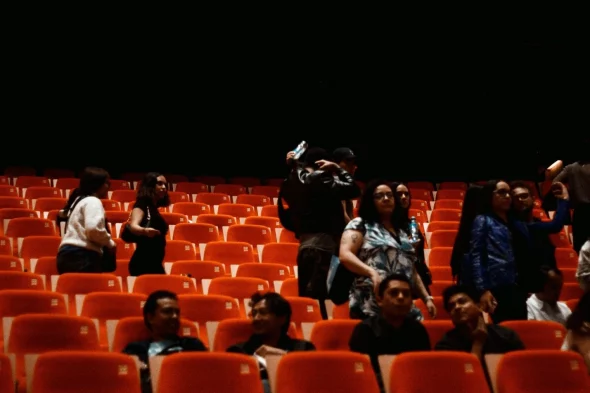
Image source: Unsplash
The Paradox of Infinite Choice and Zero Excitement
The promise was freedom through abundance, unlimited options, every piece of content ever created at our fingertips. Instead, we’ve discovered a cruel paradox: the more choices we have, the less capable we become of choosing anything that matters. With thousands of options, the stakes of any individual choice plummet.
Why commit to this show when there are fifty others queued up? Why finish this album when Spotify offers millions more? We spend more time scrolling through options than engaging with content. The selection process becomes its own form of consumption, endlessly deferred. When we finally choose something, we watch it half-attentively, already scanning for what’s next.
Everything exists on the same plane of availability, rendered equally accessible and therefore equally meaningless. The joy of discovery has been automated away by algorithms that predict our preferences before we know them ourselves. We’re offered infinite choice and feel perpetually bored, surrounded by everything and excited by nothing.
Conclusion
So here we are, living in an age of unprecedented access and profound apathy. We’ve optimized for convenience and sacrificed significance. We’ve eliminated waiting and lost the ability to want. The death of the event isn’t just about entertainment; it’s about our capacity to be genuinely moved by anything at all.
When nothing rises to the level of occasion, we become untethered from the rhythms that once structured our emotional lives. Adrift in an ocean of content, satiated but starving, surrounded by everything and nourished by nothing. Maybe the first step toward reclaiming events is recognizing they can’t be manufactured or algorithmically delivered.
They require something from us, restraint, intention, the willingness to say no to infinite options in favor of singular commitment. Until we’re ready to impose our own scarcity on this abundance, everything will continue to feel like nothing. And nothing will feel like an event anymore.